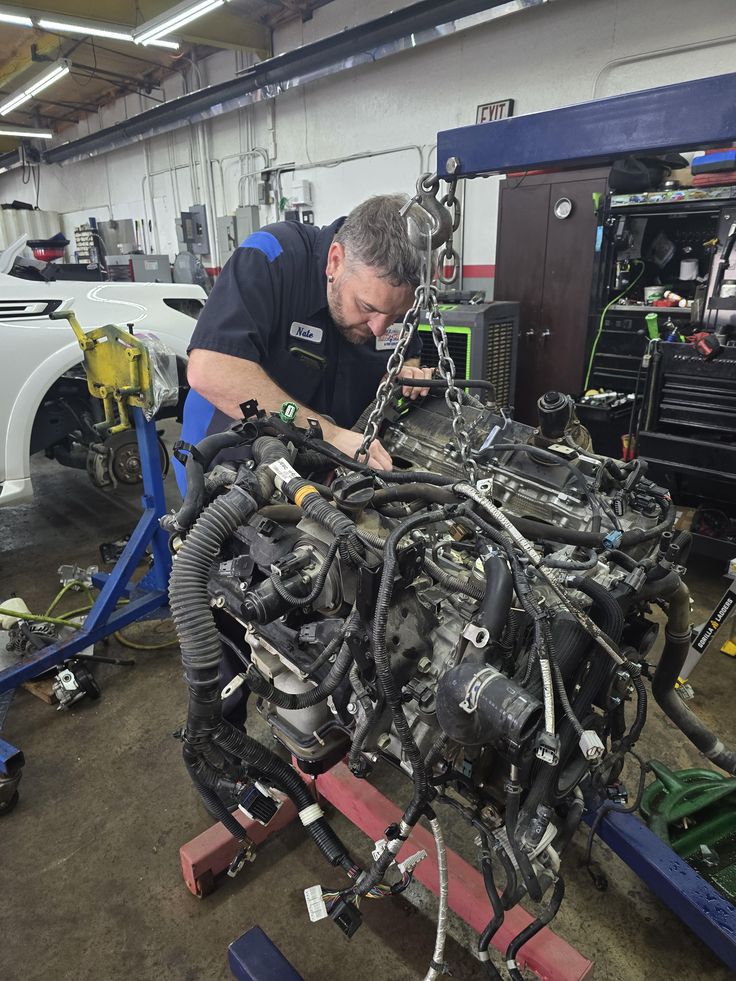
Your car’s engine is responsible for generating the power needed to keep your vehicle moving. When something goes wrong, the warning signs may appear gradually or develop without much notice. Recognizing the early signs of a bad car engine can help you prevent expensive repairs, unexpected breakdowns, and potentially dangerous driving situations.
Common symptoms of engine trouble include unusual knocking noises, excessive exhaust smoke, overheating, poor acceleration, rough idling, and illuminated dashboard warning lights. However, not every symptom means your engine is permanently damaged. Some problems originate from faulty sensors, worn spark plugs, fuel delivery issues, or neglected maintenance.
Understanding the difference between minor engine problems and serious internal damage is essential. This guide explains 15 warning signs of a failing car engine, their possible causes, how mechanics diagnose them, and what you should do before the problem becomes worse.
Related Post
What Are the Signs of a Bad Car Engine?
A bad car engine may produce several noticeable symptoms affecting vehicle performance, fuel efficiency, reliability, and everyday driving comfort.
The most common warning signs include:
- Knocking or tapping sounds from the engine
- Excessive smoke from the exhaust
- Frequent engine overheating
- Loss of power and poor acceleration
- Check engine light staying on or flashing
- Rough idling and excessive vibrations
- Difficulty starting the engine
- Unusual burning smells
- Excessive engine oil consumption
- Sudden decrease in fuel efficiency
- Engine misfiring or hesitation
- Engine stalling unexpectedly
- Coolant or engine oil leaks
- Milky engine oil or contaminated coolant
- Metal particles in engine oil
These symptoms may occur individually or together. Their seriousness depends on the underlying problem, how long it has been present, and whether the vehicle continues operating under stressful conditions.
15 Common Signs of a Bad Car Engine Explained
1. Knocking or Tapping Sounds From the Engine
Unusual knocking, tapping, or rattling sounds are among the most recognizable indicators of potential engine trouble.
A healthy engine normally produces a consistent operating sound. When internal parts become worn, poorly lubricated, or damaged, unfamiliar noises may develop.
Possible causes include:
- Low engine oil level or inadequate oil pressure
- Worn connecting rod bearings
- Incorrect fuel octane or abnormal combustion
- Problems with valve train components
- Damaged pistons or other internal components
A light tapping sound may come from valve train components, while a deep rhythmic knocking sound can indicate serious bearing damage.
Not every knocking sound means the engine is failing. Some noises result from fuel quality or ignition-related problems that can be corrected.
What to do: Have persistent knocking investigated promptly. Stop the engine and arrange towing if the noise is deep, severe, or accompanied by an oil pressure warning.
2. Excessive Smoke From the Exhaust
The color and amount of smoke coming from your exhaust can provide useful clues about engine condition.
Under normal operating conditions, gasoline-powered vehicles should not continuously produce thick, visible exhaust smoke.
Different smoke colors can suggest different problems.
Blue smoke: Often indicates engine oil entering the combustion chamber. Possible causes include worn piston rings, damaged valve stem seals, or turbocharger oil leaks.
Thick white smoke: Persistent white exhaust after the engine warms up may indicate coolant entering the combustion chamber, potentially because of a damaged head gasket or cracked engine component.
Black smoke: Commonly indicates excessive fuel relative to the available air. Faulty injectors, airflow sensors, or fuel management problems may contribute.
Some white vapor during cold weather or immediately after starting is normal condensation rather than engine damage.
What to do: Investigate persistent colored smoke, especially when accompanied by coolant loss, oil consumption, overheating, or poor performance.
3. Frequent Engine Overheating
An overheating engine is a serious warning sign because excessive heat can damage cylinder heads, gaskets, pistons, and other important components.
The temperature gauge may rise above its normal operating range, or a temperature warning light may appear on the dashboard.
Common causes include:
- Low coolant level
- Leaking radiator or coolant hoses
- Malfunctioning thermostat
- Faulty water pump
- Cooling fan failure
- Blocked radiator
- Damaged head gasket
Repeated overheating can eventually cause cylinder head warping or other costly internal damage.
What to do: Pull over safely, turn off the engine, and allow it to cool. Never remove the radiator cap or pressurized coolant reservoir cap while the system is hot.
4. Loss of Power and Poor Acceleration
A failing engine may struggle to deliver the power it once produced.
You might notice that your car accelerates slowly, struggles while climbing hills, or feels unusually weak when carrying passengers.
Possible reasons include:
- Low cylinder compression
- Worn spark plugs or ignition coils
- Restricted fuel delivery
- Clogged catalytic converter
- Faulty airflow sensors
- Incorrect engine timing
- Internal mechanical wear
Poor acceleration does not automatically indicate a damaged engine block or worn pistons. Fuel, ignition, exhaust, and transmission problems can create similar symptoms.
What to do: Request an engine diagnostic inspection, including a scan for fault codes and performance testing where appropriate.
5. Check Engine Light Staying On or Flashing
The check engine light is one of the most important indicators of potential engine or emissions-system problems.
A steady check engine light can indicate anything from a relatively minor evaporative emissions fault to an engine misfire or sensor malfunction.
A flashing check engine light is more urgent because it commonly indicates an active misfire that can damage the catalytic converter.
Typical causes include:
- Faulty oxygen sensors
- Engine misfires
- Ignition coil problems
- Fuel injection faults
- Emissions control malfunctions
- Air intake system problems
According to AAA, a flashing check engine light requires urgent attention, while a steady light should still be diagnosed promptly.

AAA Automotive
What to do: Avoid continued driving when the light flashes. For a steady light, arrange an OBD-II diagnostic scan rather than replacing parts based only on the warning.
6. Rough Idling and Excessive Vibrations
Your engine should generally run smoothly while your vehicle is stopped and the engine is idling.
If the car shakes, vibrates excessively, or produces inconsistent engine speeds, there may be an underlying problem.
Common causes include:
- Worn or fouled spark plugs
- Ignition coil failures
- Vacuum leaks
- Dirty or malfunctioning fuel injectors
- Air intake problems
- Low compression in one or more cylinders
- Damaged engine mounts
Engine mounts can transmit excessive vibration into the cabin even when the engine itself is mechanically healthy.
What to do: Check whether the vibration occurs only while idling or also during acceleration. This information can help a mechanic identify the problem.
7. Difficulty Starting the Engine
An engine that takes longer than normal to start may have a problem with fuel delivery, ignition, compression, or timing.
Common symptoms include extended cranking, intermittent starting failures, or an engine that starts and immediately shuts off.
Potential causes include:
- Weak battery or starter motor
- Faulty fuel pump
- Defective crankshaft position sensor
- Worn spark plugs
- Low cylinder compression
- Fuel injector problems
- Timing belt or timing chain issues
A vehicle that does not crank at all often has a starting or electrical problem rather than internal engine damage.
What to do: Have the battery, starter, charging system, and relevant engine components tested before assuming the engine requires major repairs.
8. Unusual Burning Smells
Unusual odors from the engine compartment may indicate overheating, leaking fluids, or damaged components.
Different smells can point toward different problems.
A burning oil smell may indicate oil leaking onto a hot exhaust component.
A sweet smell can suggest a coolant leak, especially when accompanied by falling coolant levels.
A strong fuel smell may indicate a fuel system leak or improperly burned fuel.
Burning rubber odors can originate from damaged belts, hoses, or other overheated components.
What to do: Do not ignore strong smells, visible smoke, or suspected fuel leaks. Pull over safely, shut off the engine, and arrange professional assistance if there is a fire risk.
9. Excessive Engine Oil Consumption
All engines require oil for lubrication, cooling, cleaning, and reducing internal friction.
If your vehicle begins consuming much more oil than normal, it could indicate developing engine problems.
Possible causes include:
- Worn piston rings
- Faulty valve stem seals
- External oil leaks
- Malfunctioning positive crankcase ventilation system
- Turbocharger seal problems
Some engines naturally consume a small amount of oil, and acceptable consumption varies by manufacturer and engine design.
However, frequent oil top-ups, especially when accompanied by blue exhaust smoke, deserve investigation.
What to do: Monitor the oil level using the manufacturer’s procedure and record how much oil is added between services.
10. Sudden Decrease in Fuel Efficiency
A noticeable reduction in fuel economy may suggest that the engine is operating inefficiently.
When combustion, airflow, or fuel delivery is not functioning correctly, the vehicle may consume more fuel than expected.
Potential causes include:
- Faulty oxygen sensors
- Malfunctioning fuel injectors
- Ignition system problems
- Air intake restrictions
- Incorrect engine operating temperature
- Reduced engine compression
Driving habits, low tire pressure, heavy loads, and traffic conditions can also affect fuel economy.
What to do: Compare fuel consumption over several full tanks under similar driving conditions. Check for diagnostic trouble codes and other performance symptoms.
11. Engine Misfiring or Hesitation
An engine misfire occurs when combustion fails or does not occur correctly in one or more cylinders.
A misfiring engine may shake, hesitate during acceleration, run unevenly, or produce noticeable power fluctuations.
Common reasons include:
- Damaged spark plugs
- Weak ignition coils
- Fuel injector malfunctions
- Vacuum leaks
- Incorrect air-fuel mixture
- Low cylinder compression
- Valve or head gasket damage
Persistent misfires can increase exhaust emissions and potentially damage the catalytic converter.
What to do: Have the vehicle inspected promptly. Severe misfiring or a flashing check engine light warrants stopping safely rather than continuing to drive.
12. Engine Stalling Unexpectedly
Engine stalling occurs when the engine stops running unexpectedly.
It may happen while idling, slowing down, or occasionally while driving.
Possible causes include:
- Fuel pump failure
- Faulty crankshaft position sensor
- Electrical connection problems
- Air intake faults
- Fuel delivery interruptions
- Severe mechanical problems
Not every stall results from an internally damaged engine. Electronic control and fuel system failures are frequent possibilities.
Nevertheless, unexpected stalling can be dangerous because steering assistance and braking assistance may be reduced after the engine stops.
What to do: Move to a safe location and arrange inspection. Avoid driving a vehicle that repeatedly stalls in traffic.
13. Coolant or Engine Oil Leaks
Fluid leaks may indicate developing engine problems, although their source could be an external seal, hose, or cooling system component.
Oil leaks may originate from:
- Valve cover gaskets
- Oil pan gaskets
- Crankshaft seals
- Oil filter housing
- Other engine seals
Coolant leaks may come from:
- Radiator hoses
- Water pumps
- Radiators
- Thermostat housings
- Engine gaskets
A minor external leak does not necessarily mean internal engine failure. However, allowing oil or coolant levels to fall dangerously low can eventually cause major damage.
What to do: Identify the leaking fluid and have the source repaired. Do not drive with an active oil pressure warning or an overheating engine.
14. Milky Engine Oil or Contaminated Coolant
Milky or creamy-looking engine oil may indicate that coolant or moisture has mixed with the oil.
A damaged head gasket, cracked cylinder head, or internal engine component can sometimes allow coolant and oil to mix.
Other associated symptoms may include persistent white exhaust smoke, coolant loss, overheating, and engine misfires.
However, a small amount of milky residue beneath the oil filler cap can occasionally result from condensation, particularly in vehicles used for frequent short trips.
Oil contamination in the coolant reservoir may also indicate an internal leak or a failed oil cooler, depending on vehicle design.
What to do: Have suspected fluid contamination professionally diagnosed before driving further, especially if the dipstick oil itself appears milky or the engine is overheating.
15. Metal Particles in Engine Oil
Visible metallic debris in drained engine oil or inside the oil filter can be a serious indication of internal engine wear.
Engine bearings, pistons, camshafts, and other components are manufactured with precise tolerances.
When lubrication fails or mechanical damage occurs, excessive wear can release metal particles into the oil.
Potential causes include:
- Worn crankshaft bearings
- Connecting rod bearing damage
- Piston or cylinder wall damage
- Camshaft wear
- Severe lubrication failure
Not all metallic-looking material confirms catastrophic engine damage, and some fine particles may appear during an engine’s initial break-in period. However, visible flakes or chunks in an established engine are concerning.
What to do: Stop operating the engine if significant metal debris is discovered and have the lubrication system and internal components inspected.
How to Tell if Your Car Engine Is Going Bad
Recognizing individual symptoms is useful, but evaluating several warning signs together provides a clearer picture of overall engine condition.
The table below explains common symptoms, possible causes, and their usual level of urgency.
| Engine Symptom | Possible Cause | Urgency |
|---|---|---|
| Deep knocking noise | Bearing or internal component damage | High |
| Blue exhaust smoke | Engine oil burning | Moderate to high |
| Continuous overheating | Cooling system or head gasket failure | High |
| Poor acceleration | Fuel, ignition, or compression issues | Moderate |
| Flashing check engine light | Active engine misfire | High |
| Rough idling | Ignition, airflow, or compression issues | Moderate |
| Hard starting | Battery, fuel, ignition, or compression problems | Moderate |
| Burning oil smell | Oil leak onto hot components | Moderate to high |
| Excessive oil consumption | Leaks or internal engine wear | Moderate to high |
| Poor fuel economy | Sensor, fuel, or mechanical inefficiency | Moderate |
| Frequent misfiring | Ignition, fuel, or compression issues | High |
| Unexpected stalling | Fuel, electrical, or engine problems | High |
| Fluid leaks | Damaged seals, hoses, or gaskets | Varies |
| Milky engine oil | Moisture or coolant contamination | High if coolant contamination is confirmed |
| Metal fragments in oil | Possible internal mechanical damage | High |
A combination of overheating, severe knocking, falling oil pressure, and loss of power is particularly concerning.
What Causes a Car Engine to Go Bad?
Car engines can develop problems because of insufficient maintenance, mechanical wear, excessive heat, or failures in supporting systems.
Lack of Regular Maintenance
Neglecting scheduled oil changes, filter replacements, and inspections can accelerate wear.
Old or contaminated oil may gradually lose its ability to protect internal engine components.
Low Engine Oil or Oil Pressure
Engine oil creates a protective film between moving metal parts.
When the engine lacks sufficient oil pressure, components can experience increased friction and heat, potentially resulting in bearing failure or engine seizure.
Repeated Overheating
Overheating can damage gaskets, warp cylinder heads, and place excessive stress on pistons and other parts.
Continuing to drive while the engine overheats significantly increases the risk of major mechanical failure.
Timing Belt or Timing Chain Failure
The timing system synchronizes crankshaft and camshaft movement.
If the timing belt or chain breaks or slips, the engine may stop running or perform poorly.
In interference engines, severe timing failure can cause valves to collide with pistons.
Poor Lubrication or Contaminated Fluids
Incorrect oil viscosity, poor-quality maintenance, coolant contamination, and neglected fluid leaks can interfere with normal engine operation.
Natural Wear and High Mileage
Over time, piston rings, bearings, seals, and other components experience wear.
High mileage alone does not mean an engine is failing. Maintenance history, operating conditions, and engine design are equally important.
How to Check if a Car Engine Is Healthy
A basic inspection can reveal possible engine problems before expensive repairs become necessary.
Check the Engine Oil
With the vehicle parked on level ground, follow the manufacturer’s procedure for checking the oil level.
Look for unusually low levels, obvious contamination, or metallic particles.
Oil color alone is not a reliable measure of engine health because engine oil naturally darkens during use.
Observe the Exhaust Smoke
Watch the exhaust after the engine has reached normal operating temperature.
Persistent blue smoke or thick white smoke may warrant additional investigation.
Listen for Unusual Noises
Pay attention to repeated knocking, tapping, grinding, or rattling sounds.
A mechanic can help determine whether the noise originates inside the engine or from an accessory such as a pulley or belt tensioner.
Monitor the Temperature Gauge
The engine should maintain its intended operating temperature during normal driving.
Frequent movement into the overheating range indicates a problem that needs attention.
Inspect for Fluid Leaks
Look for oil or coolant beneath the parked vehicle and visible residue around the engine compartment.
Avoid touching hot engine parts or opening a pressurized cooling system.
Perform an OBD-II Diagnostic Scan
An OBD-II scan tool can retrieve diagnostic trouble codes stored by the vehicle’s computer.
These codes help identify affected systems but do not always reveal the exact failed component.
Request Compression and Leak-Down Tests
When internal engine wear is suspected, a mechanic may recommend compression or cylinder leak-down testing.
These tests help evaluate the engine’s ability to seal combustion pressure and can provide clues about worn piston rings, damaged valves, or head gasket problems.
Can You Drive With a Bad Car Engine?
Whether a vehicle can be driven depends on the problem and its severity.
Some relatively minor engine-related faults may permit limited driving to a repair facility, provided the vehicle operates normally and the manufacturer does not instruct otherwise.
Other symptoms require immediate attention.
Stop driving and arrange assistance if you notice:
- A red oil pressure warning light while the engine is running
- Severe engine overheating
- Deep or sudden engine knocking
- A flashing check engine light
- Thick smoke accompanied by serious performance problems
- Significant fluid loss
- Severe misfiring or repeated stalling
AAA advises shutting off the engine immediately when a red oil pressure warning appears because continued operation can cause serious internal damage.
ace.aaa.com
+1
Driving with these symptoms can turn an otherwise repairable fault into an expensive engine replacement.
How Much Does It Cost to Fix a Bad Car Engine?
Repair costs vary significantly depending on the vehicle, engine design, location, labor rates, and damaged components.
The following are broad illustrative ranges in US dollars rather than guaranteed repair estimates.
| Repair Type | Approximate Cost (USD) |
|---|---|
| Spark plug replacement | $100–$400 |
| Ignition coil replacement | $150–$500 |
| Engine sensor replacement | $100–$500 |
| Water pump replacement | $300–$900 |
| Valve cover gasket repair | $150–$600 |
| Head gasket repair | $1,000–$3,000+ |
| Engine rebuild | $2,500–$6,000+ |
| Complete engine replacement | $4,000–$10,000+ |
These estimates are only general budgeting examples; actual quotes may fall outside these ranges.
Before approving major repairs, obtain a written diagnosis and compare the total repair cost with the vehicle’s market value, age, condition, and expected remaining service life.
How to Prevent Car Engine Problems
Preventive maintenance is generally less expensive than repairing serious internal engine damage.
Follow the Recommended Oil Change Schedule
Use the oil grade and service interval specified in your vehicle’s owner’s manual.
Monitor Coolant Levels
Check coolant only when the engine is cool, using the manufacturer’s recommended procedure.
Investigate repeated coolant loss rather than continually adding more coolant.
Replace Filters When Required
Air and fuel filtration systems help protect engine performance and reduce contamination.
Follow the appropriate maintenance schedule.
Address Warning Lights Promptly
An illuminated check engine light should not be ignored, even if the vehicle appears to drive normally.
Avoid Overheating and Oil Starvation
Do not continue operating the engine with dangerously low oil pressure or excessive temperature.
Use Manufacturer-Recommended Fuel
Follow your vehicle’s fuel octane and quality requirements.
Higher-octane gasoline does not automatically improve performance in an engine designed to operate on regular fuel.
Inspect Belts, Hoses, and Leaks
Routine inspections can identify deteriorating cooling system components and other potential causes of breakdowns.
When Should You Repair or Replace a Bad Engine?
Repairing an engine is usually preferable when the problem involves a replaceable component and the engine’s internal condition remains sound.
Examples include ignition components, external gaskets, selected sensors, and many cooling system parts.
Engine rebuilding or replacement may be considered when there is extensive internal damage, such as multiple failed bearings, severely worn cylinders, or a damaged engine block.
A replacement engine can make sense if the vehicle is otherwise in good condition and the total repair cost is reasonable compared with replacing the car.
However, an engine replacement does not automatically solve unrelated problems with the transmission, suspension, electrical system, or other vehicle components.
A professional diagnosis should establish the actual failure before making a major financial decision.
Frequently Asked Questions
What Are the First Signs of a Bad Car Engine?
Early signs may include rough idling, unusual noises, difficulty starting, poor acceleration, increased oil consumption, and a check engine light. These symptoms do not always mean the engine has internal damage.
What Does a Bad Engine Sound Like?
A damaged engine may produce knocking, tapping, rattling, or grinding noises. Deep knocking can suggest serious internal damage, although a mechanic must diagnose the actual source.
Can a Bad Engine Still Run?
Yes. Some damaged engines continue running despite reduced power, abnormal noises, smoke, or increased oil consumption. Continued operation can worsen the damage.
How Do You Know if Your Engine Is Blown?
Severe symptoms such as major loss of compression, an engine that cannot turn over, significant internal knocking, heavy smoke, or mechanical seizure may indicate catastrophic engine failure. Proper testing is needed to confirm the diagnosis.
Will a Bad Engine Always Trigger the Check Engine Light?
No. Serious mechanical problems can occur without illuminating the check engine light, especially when they do not trigger a monitored diagnostic fault.
Can Low Engine Oil Damage an Engine?
Yes. Insufficient lubrication can cause excessive friction, overheating, bearing damage, and eventual engine seizure.
Does White Smoke Mean the Engine Is Bad?
Not necessarily. Light white vapor during cold starts is often condensation. Persistent thick white exhaust after warm-up may indicate coolant entering the combustion chamber.
How Long Can a Car Engine Last?
Many modern engines can exceed 150,000 to 200,000 miles with proper maintenance, while some last considerably longer. Actual lifespan depends on engine design, maintenance history, driving conditions, and component quality.
Can a Mechanic Tell if an Engine Is Going Bad?
Yes. A qualified mechanic can evaluate engine health using diagnostic scanning, oil and coolant inspections, compression testing, leak-down testing, oil pressure measurement, and other procedures.
Is It Worth Fixing a Bad Car Engine?
It depends on the repair cost, vehicle value, overall condition, and severity of the damage. Relatively minor engine problems are often worth repairing, while extensive internal damage may justify considering replacement.
Conclusion
Recognizing the signs of a bad car engine early can help prevent expensive repairs and unexpected breakdowns. Knocking noises, overheating, abnormal exhaust smoke, power loss, and unusual oil consumption are important symptoms that should never be ignored.
Although many warning signs can result from relatively minor problems, others indicate serious internal damage. Regular maintenance, prompt diagnosis, and avoiding continued driving during severe engine trouble are among the best ways to protect your vehicle and extend engine life.