When buying a car, one of the most important decisions is choosing between an automatic and a manual transmission. Both types of cars have advantages and disadvantages, and the right choice depends on your driving experience, budget, lifestyle, and personal preferences.
Automatic cars are popular because they are easier to drive, especially in heavy traffic. Manual cars, on the other hand, provide greater control over gear selection and can be more affordable to purchase and maintain.
Understanding the differences between automatic vs manual cars can help you make a smarter buying decision. In this article, we will compare their features, performance, fuel efficiency, maintenance costs, driving comfort, and long-term reliability.
What Is an Automatic Car?
An automatic car is a vehicle that changes gears automatically without requiring the driver to operate a clutch pedal or manually select each gear.
The transmission system determines when to shift gears based on factors such as vehicle speed, engine load, and acceleration.
Most automatic cars have two pedals: an accelerator and a brake.
How Does an Automatic Car Work?
Automatic cars use a transmission system that manages gear changes while the vehicle is moving. Depending on the vehicle, this may be a traditional torque-converter automatic, continuously variable transmission (CVT), dual-clutch transmission (DCT), or another automated system.
The driver usually selects from the following positions:
- P (Park): Used when parking the vehicle.
- R (Reverse): Used for moving backward.
- N (Neutral): Disconnects engine power from the driving wheels.
- D (Drive): Allows the car to move forward with automatic gear selection.
Some automatic cars also offer sport modes, manual shifting options, or paddle shifters.
What Is a Manual Car?
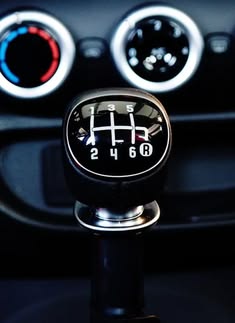
A manual car is a vehicle in which the driver changes gears using a gear lever and clutch pedal.
Unlike automatic cars, manual vehicles require the driver to select the appropriate gear based on speed, engine performance, and road conditions.
Manual cars generally have three pedals: clutch, brake, and accelerator.
How Does a Manual Car Work?
When driving a manual car, the driver presses the clutch pedal to temporarily disconnect the engine from the transmission, selects the appropriate gear, and gradually releases the clutch to transfer power.
For example, when starting from a stop, the driver normally selects first gear. As the vehicle gains speed, the driver shifts into higher gears.
This process requires coordination and practice but provides more direct control over gear selection.
Automatic vs Manual Cars: Key Differences
| Feature | Automatic Cars | Manual Cars |
|---|---|---|
| Gear shifting | Automatic | Driver-controlled |
| Clutch pedal | Usually absent | Required |
| Driving difficulty | Easier for beginners | Requires more practice |
| Traffic comfort | More convenient | More demanding |
| Purchase price | Often higher for comparable models | Often lower |
| Fuel efficiency | Depends on transmission technology | Depends on driver and vehicle |
| Maintenance | Can be more expensive | Often simpler |
| Driving control | Convenient, with varying manual options | Direct gear-selection control |
| Acceleration | Often quick and consistent | Depends on driver skill |
| Hill starts | Usually easier | Requires clutch coordination |
| Driver involvement | Lower | Higher |
| Best suited for | City driving and convenience | Drivers who prefer engagement and control |
Advantages of Automatic Cars
1. Easier to Drive
Automatic cars are generally easier for beginners because drivers do not need to coordinate clutch operation and manual gear changes.
This allows them to focus more attention on steering, braking, traffic conditions, and road safety.
2. Comfortable in Heavy Traffic
Driving in congested areas can be frustrating when using a manual car because frequent stopping and starting requires repeated clutch and gear operation.
Automatic cars simplify this process and reduce physical effort.
3. Easier Hill Starts
Many automatic vehicles make starting on an incline easier because drivers do not need to balance a clutch pedal.
Some models also feature hill-start assist, which helps prevent the vehicle from rolling backward.
4. Smooth Gear Changes
Modern automatic transmissions are designed to provide smooth and consistent shifting.
This can improve driving comfort, particularly during daily commuting.
5. Convenient for Long Drives
Automatic cars can reduce driver fatigue during long journeys, especially when routes involve frequent speed changes or traffic congestion.
Disadvantages of Automatic Cars
Despite their convenience, automatic cars have some potential drawbacks.
Higher Purchase Price
Automatic versions of some vehicles cost more than equivalent manual models.
However, prices depend on the manufacturer, vehicle segment, and market.
Potentially Expensive Repairs
Automatic transmissions contain complex mechanical, hydraulic, or electronic components.
Certain transmission failures can be expensive to diagnose and repair.
Less Direct Driver Involvement
Some driving enthusiasts prefer the experience of controlling gear changes themselves.
Although many automatic vehicles offer manual shifting modes, the driving experience is different from a traditional manual transmission.
Advantages of Manual Cars
1. Greater Control Over Gear Selection
Manual cars allow drivers to select gears according to road conditions and driving preferences.
This can be particularly useful when maintaining a chosen gear on winding roads or when using engine braking on descents.
2. Often Lower Purchase Cost
In markets where both options are available, manual versions of the same car are frequently less expensive.
This makes manual vehicles attractive to budget-conscious buyers.
3. Simpler Transmission Design
Traditional manual transmissions generally have fewer complex control systems than many automatic transmissions.
As a result, certain repairs may be more straightforward, although clutch replacement can still be costly.
4. Engaging Driving Experience
Many enthusiasts enjoy manual cars because they provide a stronger sense of involvement in the driving process.
Changing gears manually can make driving more interactive.
5. Useful Driving Skill
Learning to drive a manual vehicle develops clutch control, gear selection, and coordination skills.
Drivers who learn manual transmission may also find it easier to adapt to automatic vehicles.
Disadvantages of Manual Cars
Difficult for Beginners
Learning to coordinate the clutch, accelerator, and gear lever can take time.
New drivers may initially experience engine stalling or difficulty starting on hills.
Tiring in Heavy Traffic
Frequent clutch operation can become uncomfortable during long traffic jams.
This is one reason many urban drivers prefer automatic cars.
Clutch Wear
Manual cars contain a clutch assembly that gradually wears during normal use.
Incorrect clutch operation or frequent slipping can accelerate wear and increase maintenance costs.
Less Convenient for Some Drivers
Manual transmissions require more physical coordination, which may not suit drivers seeking maximum convenience.
Automatic vs Manual Cars: Fuel Efficiency
Fuel efficiency is an important consideration when choosing a vehicle because it affects long-term running costs.
In the past, manual transmissions often delivered better fuel economy than traditional automatic transmissions.
However, advances in transmission technology have changed this comparison.
Modern automatic systems can sometimes match or exceed the fuel efficiency of manual equivalents.
CVTs, advanced torque-converter automatics, and dual-clutch transmissions may help engines operate efficiently under suitable conditions.
Fuel consumption depends on several factors, including:
- Engine size and technology
- Transmission design
- Vehicle weight
- Driving habits
- Road and traffic conditions
- Vehicle maintenance
Verdict: Neither transmission type is universally more fuel-efficient. Compare the official fuel economy ratings of the exact vehicle variants you are considering.
Automatic vs Manual Cars: Maintenance Costs
Maintenance expenses can vary significantly between manual and automatic vehicles.
Manual transmissions are often mechanically simpler, but their clutches are wear items that may eventually need replacement.
Automatic transmissions can require specialized servicing, fluids, diagnostics, and repairs.
| Maintenance Factor | Automatic Car | Manual Car |
|---|---|---|
| Transmission complexity | Usually higher | Usually lower |
| Clutch replacement | Depends on transmission design | May eventually be required |
| Transmission fluid service | Depends on manufacturer schedule | Depends on manufacturer schedule |
| Repair cost | Can be higher | Often lower for basic repairs |
| Specialized diagnostics | Often necessary | Less commonly required |
| Long-term reliability | Depends on design and maintenance | Depends on design and maintenance |
A well-maintained automatic transmission can last a long time, while a poorly driven manual car may experience premature clutch wear.
Following the manufacturer’s recommended maintenance schedule is important for both.
Automatic vs Manual Cars: Which Is Faster?
The answer depends on the vehicle, transmission technology, and driver.
Modern performance cars with advanced automatic or dual-clutch transmissions can shift gears extremely quickly, sometimes faster than a human driver using a manual gearbox.
Automatic transmissions can also deliver consistent acceleration by selecting gears at suitable points.
Manual cars, however, give drivers direct control over gear changes, which many enthusiasts enjoy.
Verdict: Modern automatic transmissions often perform better in repeatable acceleration tests, but performance varies by model. Manual cars remain appealing for their engaging driving experience.
Which Is Better for City Driving?
Automatic cars are generally the better choice for city driving, particularly where traffic congestion is common.
In busy cities such as Lahore, Karachi, and Rawalpindi, drivers may face frequent stops, intersections, and slow-moving traffic.
Automatic vehicles eliminate the need for repeated clutch operation and manual gear changes.
Manual cars remain suitable for city use, especially for experienced drivers, but they generally require more effort in stop-and-go conditions.
Best choice for heavy city traffic: Automatic car.
Which Is Better for Highway Driving?
Both automatic and manual cars perform well on highways.
Automatic cars provide convenience by selecting suitable gears as driving conditions change.
Manual cars allow drivers to maintain a chosen gear and control when shifts occur.
On highways where drivers maintain relatively constant speeds, the difference in workload between manual and automatic cars becomes less noticeable.
The best option depends on comfort preferences, transmission design, and vehicle performance.
Automatic vs Manual Cars for Beginners
For most beginners, automatic cars are easier to learn because they require fewer simultaneous driving operations.
New drivers can concentrate on steering, road signs, speed management, and safe braking without worrying about clutch coordination.
Manual cars require additional practice but teach useful vehicle-control skills.
If you want the simplest learning experience, an automatic car may be preferable.
However, learning manual driving can provide greater flexibility when driving different vehicles, subject to local licensing rules.
Automatic vs Manual Cars in Pakistan
In Pakistan, both automatic and manual vehicles are widely used.
Manual cars remain attractive to buyers who prioritize affordability, familiar maintenance requirements, and straightforward mechanical designs.
Automatic vehicles are increasingly appealing to drivers who want convenience during congested urban commutes.
When choosing between the two in Pakistan, consider your budget, the availability of qualified mechanics, spare parts, fuel consumption, and local resale demand.
A well-maintained car with a reliable transmission is usually a better purchase than a poorly maintained vehicle chosen solely because it is automatic or manual.
Automatic vs Manual Cars: Which Has Better Resale Value?
Resale value depends on the car’s brand, model, condition, mileage, market demand, and transmission.
In some markets, automatic cars attract stronger demand because buyers prefer convenience.
However, manual versions of certain economy cars, commercial vehicles, and enthusiast models may remain popular.
There is no universal rule that automatic cars always have higher resale value.
Buyers should compare actual used-car prices for equivalent models in their local market.
Which Car Should You Choose?
Your ideal choice depends on how and where you drive.
Choose an automatic car if:
- You regularly drive in heavy traffic.
- You are a beginner seeking easier operation.
- You prioritize comfort and convenience.
- You want to avoid manual clutch operation.
- You prefer smooth, effortless commuting.
Choose a manual car if:
- You enjoy selecting gears yourself.
- You want a potentially lower purchase price.
- You prefer a traditional driving experience.
- You are comfortable using a clutch.
- You are considering a vehicle with a reliable, inexpensive-to-maintain manual gearbox.
Neither transmission type is automatically better for everyone.
Frequently Asked Questions
Are Automatic Cars Better Than Manual Cars?
Automatic cars are generally better for convenience, comfort, and heavy traffic. Manual cars offer greater driver involvement and may cost less to purchase or maintain.
Which Car Is Easier to Drive?
Automatic cars are easier for most beginners because they do not require manual clutch operation or frequent gear changes.
Do Automatic Cars Use More Fuel?
Not necessarily. Modern automatic transmissions can be as efficient as, or more efficient than, comparable manual transmissions. Fuel economy depends on the specific vehicle and transmission.
Are Manual Cars Cheaper Than Automatic Cars?
Manual versions of comparable vehicles are often cheaper to purchase, although this depends on the manufacturer and market.
Which Transmission Lasts Longer?
Both types can provide long service lives when properly maintained. Longevity depends on transmission design, driving habits, servicing, and operating conditions.
Are Automatic Cars Good for Long Drives?
Yes. Automatic cars can be comfortable for long journeys because they reduce the need for manual gear changes, especially when traffic conditions vary.
Can an Automatic Car Be Driven Like a Manual?
Some automatic vehicles offer manual shift modes or paddle shifters that allow the driver to request gear changes. However, these systems do not operate exactly like a traditional clutch-pedal manual transmission.
Which Is Better for Hilly Areas?
Both can perform well in hilly areas. Manual transmissions offer direct gear-selection control, while modern automatics often include suitable low-gear or hill-driving modes. Vehicle capability and correct driving technique matter more than transmission type alone.
Final Verdict
The automatic vs manual cars debate comes down to driving comfort, control, cost, and personal preference.
Automatic cars are an excellent choice for beginners, daily commuters, and drivers who frequently encounter heavy traffic. They make everyday driving easier and more convenient.
Manual cars are ideal for people who enjoy a traditional driving experience, prefer direct control over gear selection, or want a potentially more affordable vehicle.
For most drivers who prioritize convenience, an automatic car is the better choice. For those who value driving involvement and potentially lower costs, a manual car remains a strong option.
Ultimately, compare the exact models, test-drive both transmission types, and consider long-term ownership costs before making your decision.