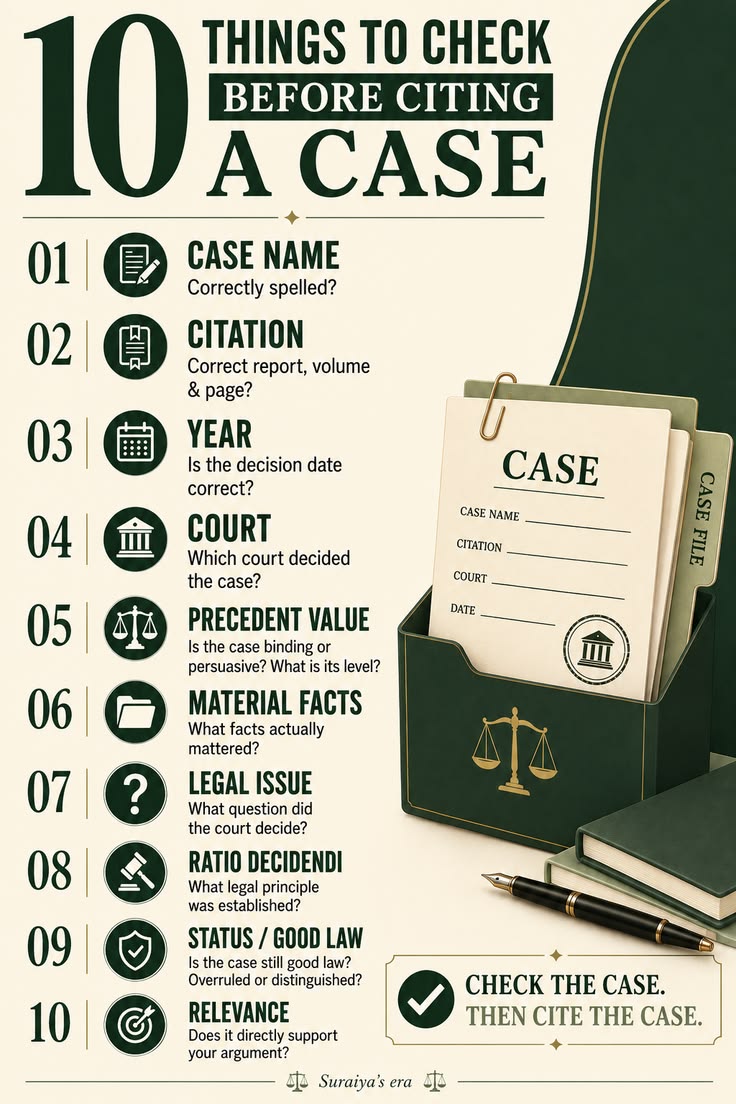
Filing a legal case can seem complicated, especially if you have never dealt with courts, lawyers, or legal documents before. Whether you are facing a property dispute, financial disagreement, employment issue, family matter, or personal injury claim, understanding the legal process is essential before taking action.
Many people hesitate to pursue their legal rights because they are unsure where to begin, which court to approach, or how much the process might cost. However, knowing the basic requirements can make the experience more manageable.
The process generally involves identifying the type of case, gathering evidence, determining the appropriate court, preparing legal documents, and following the required filing procedures.

This guide explains how to file a legal case, what documents you may need, how court fees work, and what typically happens after filing. Because legal procedures differ between countries, states, and courts, the information should be used as general guidance rather than a substitute for professional legal advice.
How to File a Legal Case: Quick Answer
To file a legal case, first identify your legal issue and determine which court or authority has jurisdiction. Gather relevant evidence, prepare the required complaint or petition, complete the court forms, and submit the documents before the applicable legal deadline. You may also need to pay a filing fee or request a fee waiver. In many civil cases, the opposing party must receive formal legal notice after filing. The court then follows its procedures for responses, hearings, evidence, and decisions.
Legal Case Filing Process at a Glance
| Stage | What You Need to Do | Purpose |
|---|---|---|
| Identify the case | Determine the legal issue | Understand the type of legal action |
| Check legal deadlines | Review applicable limitation periods | Avoid filing too late |
| Collect evidence | Gather documents and witness information | Support your claims |
| Choose the court | Confirm jurisdiction | File with the proper authority |
| Prepare documents | Draft a complaint or petition | Explain the legal dispute |
| Pay filing fees | Pay required charges or seek a waiver | Complete filing requirements |
| Submit the case | File documents through an accepted method | Formally initiate proceedings |
| Notify the opposing party | Complete legally required service | Provide notice of the case |
| Attend proceedings | Follow court instructions and deadlines | Present and manage the case |
| Obtain a decision | Receive judgment or another resolution | Resolve the legal dispute |
What Does It Mean to File a Legal Case?
Filing a legal case means formally presenting a legal complaint, petition, application, or other recognized document to a court or authorized legal body.
The purpose is to request a legal remedy, resolve a dispute, enforce a right, or obtain a judicial determination.
For example, if someone refuses to repay money owed under an enforceable agreement, the affected person may be able to bring a civil claim seeking repayment.
However, not every legal problem requires a lawsuit. Some disputes can be resolved through negotiation, mediation, arbitration, administrative complaints, or other legal procedures.
Who Can File a Legal Case?
The right to file depends on the jurisdiction and type of case.
In civil matters, an individual, company, organization, or authorized representative may be eligible to bring a claim when the applicable legal requirements are met.
The person bringing a civil lawsuit is commonly called the plaintiff or claimant, while the person or organization being sued is generally called the defendant.
Criminal proceedings operate differently. In many jurisdictions, criminal prosecutions are brought by government authorities, although private complaints or other procedures may exist under local law.
Types of Legal Cases You Can File
Understanding your legal issue helps you determine the correct procedure.
1. Civil Cases
Civil cases generally involve disputes concerning private rights, money, property, contracts, or compensation.
Common examples include:
- Property ownership disputes
- Unpaid debts
- Breach of contract
- Personal injury claims
- Landlord and tenant disagreements
- Property damage claims
A civil case may seek financial compensation, an injunction, a declaration of rights, or another legally available remedy.
2. Criminal Cases
Criminal cases involve conduct prohibited by criminal law.
Examples include theft, assault, fraud, and other criminal offenses.
Depending on the country, an individual may report an alleged offense to police or another authorized agency. Public authorities generally determine whether and how to prosecute, subject to local laws governing private complaints.
3. Family Law Cases
Family courts or other authorized courts handle legal matters involving family relationships.
These cases may concern divorce, child custody, child support, guardianship, or maintenance.
Family law procedures vary significantly by jurisdiction, and some cases require additional forms, disclosures, or preliminary steps.
4. Employment Cases
Employment disputes may arise when workers believe their legal workplace rights have been violated.
Examples include unpaid wages, workplace discrimination, unlawful termination, and violations of employment agreements.
Some claims must first be submitted to an employment agency, labor department, tribunal, or similar body before court proceedings are available.
5. Consumer Protection Cases
Consumer disputes can involve defective products, misleading advertising, unfair business practices, or failures to honor enforceable agreements.
Depending on the applicable law, complaints may be brought before consumer courts, regulatory agencies, small claims courts, or other dispute-resolution bodies.
How to File a Legal Case Step by Step
Step 1: Identify Your Legal Problem
Before filing, clearly define what happened and which legal right you believe has been violated.
Ask yourself what action or event caused the problem, who is responsible, what evidence exists, and what outcome you want.
For example, if a contractor accepts payment but fails to complete agreed work, the issue may involve breach of contract.
Identifying the problem correctly helps determine the available remedies and whether a lawsuit is appropriate.
Step 2: Check the Legal Deadline
Legal claims often have filing deadlines, sometimes called statutes of limitations or limitation periods.
These deadlines vary depending on the type of claim and applicable jurisdiction.
Some deadlines begin when an event occurs, while others depend on when the harm was discovered or other legally defined circumstances.
Missing a deadline may prevent a case from proceeding, even when the underlying complaint is otherwise valid.
For this reason, checking the applicable deadline should be one of your earliest priorities.
Step 3: Collect Evidence and Supporting Documents
Evidence is one of the most important components of a legal case.
Depending on the dispute, useful evidence may include contracts, payment records, photographs, correspondence, official documents, and witness information.
Organize your evidence chronologically and preserve original documents where possible.
Avoid altering photographs, editing messages, or presenting incomplete records in a misleading way.
Digital evidence should be preserved carefully, including relevant dates, identifying information, and original files when available.
Step 4: Determine the Correct Court
Not every court has authority to hear every legal dispute.
Courts have different responsibilities based on jurisdiction, case subject, location, and sometimes the amount of money involved.
For example, a small unpaid debt may belong in a small claims court, while a complex commercial dispute may require a different court.
Jurisdiction generally involves two major considerations.
Subject-matter jurisdiction concerns whether the court is legally authorized to hear that kind of case.
Territorial or personal jurisdiction concerns the court’s authority based on geography, parties, or their connection to the dispute.
Filing in the wrong court can create delays, additional expenses, or dismissal.
Step 5: Consult a Lawyer When Necessary
Although some legal systems allow people to represent themselves, professional legal advice can be valuable.
A qualified lawyer can help assess whether the claim has a reasonable legal basis, identify deadlines, select the correct court, and prepare appropriate documents.
Legal representation is particularly useful when disputes involve substantial money, complex legal questions, urgent injunctions, or serious consequences.
People who cannot afford private legal representation may qualify for legal aid or assistance from nonprofit organizations.
Step 6: Prepare the Legal Complaint or Petition
The complaint or petition is usually the main document used to initiate a civil case.
Its contents depend on local court rules, but it commonly identifies the parties, describes the relevant events, explains the legal basis of the claim, and states the remedy requested.
A typical complaint may include:
- The name of the court
- Names and legally required details of the parties
- Relevant factual allegations
- Grounds for the court’s jurisdiction
- The legal claim or cause of action
- The relief requested
- Required signatures and verification
Some courts require standardized forms, while others permit or require specially drafted pleadings.
The information should be accurate, organized, and supported by facts.
Step 7: Complete the Required Court Forms
In addition to the main complaint, courts may require supporting paperwork.
These documents can include a civil cover sheet, summons, disclosure forms, verification, affidavit, or other required attachments.
For example, certain United States federal civil proceedings require a complaint, civil cover sheet, and proposed summons.
Requirements vary by court and case type, so use the forms and instructions supplied by the specific court where the case will be filed.
Step 8: Pay the Filing Fee or Request a Waiver
Many courts charge a fee to open a case.
The amount depends on the jurisdiction, type of proceeding, and applicable fee schedule.
Some courts provide exemptions or fee waivers for qualifying individuals who cannot afford court costs.
In U.S. federal civil proceedings, eligible plaintiffs may apply to proceed in forma pauperis, which can allow a case to proceed without prepayment of certain fees if approved.
A fee waiver is not automatic, and it may not eliminate every potential litigation expense.
Step 9: Submit Your Legal Case
Once the documents are prepared, submit them through the filing method accepted by the court.
Depending on the jurisdiction, filing may be available in person, by mail, electronically, or through an authorized representative.
Before submitting, check document formatting, signatures, required attachments, fees, and applicable deadlines.
After the filing is accepted, the court may assign a case or docket number.
Keep copies of all submitted paperwork, payment receipts, and filing confirmations.
Step 10: Notify the Opposing Party
Many civil cases require the opposing party to be formally notified.
This process is called service of process.
Service generally involves delivering prescribed legal documents using an authorized method.
In some systems, a process server, court officer, sheriff, or another legally authorized individual may complete service.
Do not assume that personally sending an email, message, or letter meets the legal requirements.
The permitted method and deadline depend on applicable court rules. Some courts also require proof of service to be filed.
Step 11: Follow Court Instructions and Attend Hearings
After the case begins, the defendant may be required to file an answer, response, or motion within a specified period.
The court may then schedule conferences, hearings, mediation, discovery, or a trial.
During this stage, parties may need to exchange documents, identify witnesses, respond to legal requests, or submit additional information.
Follow all court orders and deadlines carefully.
Failure to attend required proceedings or comply with instructions can have serious consequences, including dismissal or an adverse ruling.
Step 12: Receive the Court’s Decision
A legal case may conclude through settlement, withdrawal, dismissal, judgment, or another legally recognized resolution.
When a case proceeds to a final decision, the court determines the outcome according to the applicable law and evidence.
A successful party may obtain compensation, an injunction, or another legal remedy.
However, winning a judgment does not always mean payment or compliance happens automatically. Additional enforcement procedures may be necessary.
Documents Required to File a Legal Case
The exact documentation depends on the legal issue and the court.
| Document | Purpose | When It May Be Needed |
|---|---|---|
| Complaint or petition | Describes the legal claim | Usually required to begin a civil case |
| Identity documents | Verify relevant personal details | When required by the court |
| Contract or agreement | Establishes contractual obligations | Contract disputes |
| Payment receipts | Demonstrate financial transactions | Debt and payment disputes |
| Property documents | Support ownership or property claims | Property disputes |
| Medical records | Document injuries or treatment | Personal injury cases |
| Photographs and videos | Support relevant factual allegations | Various disputes |
| Witness information | Identifies potential witnesses | When witness testimony is relevant |
| Affidavit | Provides a sworn statement | When required or permitted |
| Court fee receipt | Confirms fee payment | Fee-paying cases |
Always check whether the court requires originals, certified copies, translations, or a particular document format.
How Much Does It Cost to File a Legal Case?
The cost of filing a legal case can vary significantly.
Potential expenses include court filing fees, lawyer fees, document preparation, service of process, expert witnesses, transcripts, and other litigation costs.
| Expense | What It Covers |
|---|---|
| Court filing fee | Opening the legal case |
| Lawyer fees | Legal advice and representation |
| Service charges | Delivering required legal notice |
| Document expenses | Copies, certifications, and translations |
| Expert witness costs | Specialized professional opinions |
| Court-related expenses | Additional procedural costs where applicable |
For illustration, the standard initial filing charge for many U.S. federal district court civil cases is $405, consisting of a $350 statutory filing fee and a $55 administrative fee, although exemptions and specific rules may apply.
This is only a U.S. federal court example, not a universal legal filing cost.
Before proceeding, request a written explanation of likely expenses where possible.
Can You File a Legal Case Without a Lawyer?
In many jurisdictions, individuals can represent themselves in certain legal proceedings. This is commonly known as self-representation or, in the United States, appearing pro se.
Self-representation may be practical for relatively straightforward disputes, particularly where courts provide simplified forms and procedures.
However, representing yourself does not generally exempt you from complying with procedural rules, evidence requirements, or filing deadlines.
Some parties, such as corporations or organizations, may be subject to special representation requirements.
Complex cases involving significant financial interests, disputed evidence, or serious legal consequences may be difficult to manage without professional assistance.
How to File a Legal Case Online
Electronic filing is available in some courts, but not every court permits individuals to start every type of case online.
Where electronic filing is authorized, the process commonly involves accessing the court’s official filing platform, creating an account if required, completing approved forms, uploading documents, and paying applicable fees.
Some systems provide electronic confirmation and a case number after accepting the submission.
Before relying on online filing, verify whether the court accepts new cases electronically, whether self-represented parties can use the system, and whether any paper documents or in-person appearances are still required.
Submitting documents through a court portal also does not necessarily satisfy separate service-of-process requirements.
How Long Does a Legal Case Take?
There is no universal timeframe for resolving a legal case.
The duration depends on the type of proceeding, court workload, complexity of evidence, number of parties, motions, scheduling availability, and potential appeals.
A straightforward dispute resolved through settlement may conclude relatively quickly, while a complex contested lawsuit can take considerably longer.
The following factors can affect the duration:
- Number of defendants and witnesses
- Whether the defendant contests the claim
- Availability of important evidence
- Court hearing schedules
- Discovery and expert testimony requirements
- Settlement negotiations
- Appeals or enforcement proceedings
Ask the relevant court or a qualified local lawyer for realistic expectations rather than relying on a fixed general estimate.
What Happens After Filing a Legal Case?
Once the case is properly filed, the court and parties begin following the relevant procedural rules.
In a typical civil lawsuit, the opposing party receives formal notice and an opportunity to respond.
The parties may then exchange evidence, participate in preliminary hearings, and explore settlement.
If the dispute remains unresolved, it may proceed to trial or another form of adjudication.
Not every lawsuit reaches trial. Many legal matters end through settlement, dismissal, negotiated agreements, or decisions on legal motions.
Common Mistakes to Avoid When Filing a Legal Case
Filing in the Wrong Court
Choosing a court without verifying jurisdiction can lead to wasted time and additional expenses.
Missing Important Deadlines
Limitation periods and procedural deadlines can affect whether a claim is accepted or remains active.
Submitting Incomplete Documents
Missing signatures, incorrect forms, or inadequate information may cause delays or other consequences.
Failing to Preserve Evidence
Lost documents, deleted messages, or damaged records can make a claim more difficult to prove.
Ignoring Service Requirements
A lawsuit may not proceed properly if the opposing party is not notified according to applicable law.
Making Unsupported Allegations
Legal complaints should be based on truthful, relevant facts rather than assumptions or exaggerations.
Ignoring Court Notices
Court communications may contain mandatory deadlines or attendance instructions. Read them carefully and respond when required.
Alternatives to Filing a Lawsuit
Court proceedings are not always the most efficient way to resolve a dispute.
Negotiation
The parties communicate directly or through representatives to reach an acceptable agreement.
Mediation
A neutral mediator helps the parties explore a voluntary resolution. The mediator generally does not impose a decision.
Arbitration
An arbitrator considers the dispute and may issue a binding or nonbinding decision, depending on the agreement and applicable law.
Administrative Complaints
Employment, consumer, housing, and regulatory disputes may sometimes be addressed through designated government agencies.
Small Claims Procedures
Some jurisdictions offer simplified court procedures for disputes involving amounts below specified limits.
Before pursuing an alternative, confirm whether it affects filing deadlines, legal rights, or access to court.
Tips for Successfully Managing a Legal Case
Keeping your legal case organized can help you meet obligations and communicate effectively.
Maintain a dedicated folder containing pleadings, correspondence, evidence, receipts, and court notices. Create a timeline of events so important facts are easy to locate.
Record every deadline in a calendar and confirm that submitted documents have been accepted.
Keep your communications respectful and factual, even when the dispute is emotionally difficult.
If you receive a settlement offer, review its legal and financial consequences before accepting it.
Most importantly, seek qualified legal guidance when you are uncertain about jurisdiction, deadlines, evidence, or available remedies.
Frequently Asked Questions About Filing a Legal Case
How Do I File a Legal Case Against Someone?
Identify the legal basis of your claim, collect supporting evidence, determine the appropriate court, prepare the required complaint, and submit it according to court rules. You may also need to pay a filing fee and arrange formal service on the defendant.
Can I File a Legal Case Without Evidence?
You may be able to initiate a claim without attaching every item of evidence, depending on local rules. However, you generally need a legally sufficient factual basis, and proving disputed allegations may require admissible evidence.
Can I File a Case Without a Lawyer?
Yes, certain legal proceedings permit self-representation. However, rules vary by jurisdiction and party type. Professional advice is advisable when the matter is complicated or involves substantial consequences.
Can I File a Legal Case Online?
Some courts offer electronic filing, while others require paper submission or in-person filing. Check the specific court’s approved procedures.
What Is the First Step in Filing a Legal Case?
The first practical step is identifying the legal issue and checking relevant filing deadlines. You should then determine which court or legal authority has jurisdiction.
What Happens If the Defendant Does Not Respond?
Depending on the law and procedural circumstances, the court may permit a request for default judgment or take another action. A favorable judgment is not necessarily automatic, and the plaintiff may still need to establish legal entitlement to relief.
Can I Withdraw a Legal Case After Filing?
Many legal systems allow a claimant to discontinue or withdraw a case under certain conditions. However, court approval, costs, settlement terms, or restrictions on refiling may apply.
How Much Does a Lawyer Charge to File a Case?
Lawyer fees vary according to location, experience, legal complexity, and billing arrangements. Some lawyers charge hourly rates, fixed fees, or contingency fees where legally permitted.
Can I File a Case in a Different City or State?
Only if the relevant jurisdictional and venue requirements allow it. Filing in a location that lacks the necessary legal connection to the dispute can create serious procedural problems.
What Should I Do If I Cannot Afford Court Fees?
Ask the court whether you qualify for a fee waiver or reduced-fee procedure. Legal aid organizations may also provide assistance, subject to eligibility.
Can a Legal Case Be Settled Outside Court?
Yes. Many civil disputes can be resolved through negotiation, mediation, or settlement. Some settlements require court approval, particularly in certain family matters or cases involving protected parties.
What Should I Do If My Case Is Rejected or Dismissed?
Review the court’s written explanation and determine whether correction, amendment, refiling, reconsideration, or appeal is legally available. Deadlines may be short, so seek legal advice promptly.
Conclusion
Understanding how to file a legal case is an important first step toward protecting your legal rights and resolving disputes through appropriate legal procedures.
Although filing requirements differ across jurisdictions, the basic process often includes identifying the legal issue, checking deadlines, collecting evidence, choosing the correct court, preparing legal documents, paying applicable fees, and complying with notice and hearing requirements.
Careful preparation can help reduce avoidable delays, but submitting a case does not guarantee a favorable result.
Before starting legal proceedings, review the rules of the relevant court and consider seeking guidance from a qualified lawyer. With accurate information, organized documentation, and a clear understanding of the process, you can approach legal proceedings more confidently.