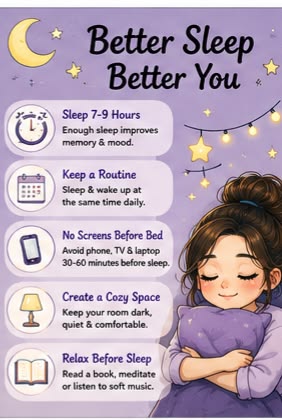
Getting a good night’s sleep is essential for maintaining physical health, mental clarity, and emotional well-being. However, busy schedules, stress, excessive screen time, and unhealthy daily habits can make restful sleep difficult. If you often struggle to fall asleep, wake up during the night, or feel tired in the morning, adopting effective sleep improvement tips can make a meaningful difference.
Healthy sleep involves more than simply spending enough hours in bed. Your sleep environment, daily activities, eating habits, and bedtime routine all influence how well your body rests and recovers. Fortunately, small lifestyle adjustments can improve sleep quality without requiring complicated routines.
In this guide, you’ll discover 15 practical sleep improvement tips, understand common causes of poor sleep, and learn how to establish healthier sleeping habits for long-term wellness.

Why Is Quality Sleep Important?
Quality sleep allows your body and brain to perform essential functions that support overall health. During sleep, your body repairs tissues, supports immune function, and processes information collected throughout the day.
Getting sufficient sleep offers several important benefits:
- Better concentration: Supports attention, learning, and memory.
- Improved emotional health: Helps regulate mood and stress responses.
- Stronger immune function: Supports the body’s natural defenses.
- Improved physical recovery: Allows muscles and tissues to recover.
- Better heart health: Supports cardiovascular and metabolic functioning.
- Greater daytime energy: Helps reduce fatigue and improve alertness.
According to the Centers for Disease Control and Prevention (CDC), adults aged 18–60 should generally get at least seven hours of sleep each night. Individual requirements vary, and sleep quality matters alongside duration.

CDC
15 Effective Sleep Improvement Tips
1. Maintain a Consistent Sleep Schedule
One of the most effective sleep improvement tips is maintaining a regular sleeping schedule. Going to bed and waking up at approximately the same time every day helps regulate your body’s internal clock, also called the circadian rhythm.
An inconsistent schedule may make it harder to fall asleep at night or wake up feeling refreshed.
To develop a consistent schedule, select a realistic bedtime, set a regular wake-up time, and avoid drastically changing your routine on weekends. Gradual adjustments are usually easier to maintain than sudden changes.
2. Create a Comfortable Sleeping Environment
Your bedroom environment directly influences your ability to relax and remain asleep throughout the night. Excessive light, unwanted noise, and uncomfortable temperatures may interrupt your sleep.
A sleep-friendly bedroom should be dark, quiet, comfortable, and relatively cool.
Consider using blackout curtains to reduce outside light, minimizing unnecessary noise, and selecting pillows and bedding that provide adequate support. Keeping your sleeping area clean and organized may also make the environment feel more relaxing.
3. Reduce Screen Time Before Bed
Smartphones, televisions, tablets, and computers can interfere with healthy bedtime routines. Bright light from electronic devices, particularly blue-enriched light, can affect the body’s natural sleep-wake signals.
Engaging with stimulating videos, games, or social media content may also keep your mind alert when it should be preparing for sleep.
Try turning off electronic devices at least 30 minutes before bedtime. Replace scrolling with relaxing activities such as reading, journaling, or listening to calming music.
4. Limit Caffeine During the Afternoon and Evening
Caffeine is a stimulant commonly found in coffee, tea, energy drinks, certain soft drinks, and chocolate.
Although caffeine can improve alertness during the day, consuming it too close to bedtime may delay sleep and reduce overall sleep quality.
Its effects can remain in the body for several hours, depending on individual sensitivity and the amount consumed.
Consider avoiding caffeine for at least six to eight hours before bedtime, particularly if you have difficulty falling asleep. Choosing caffeine-free beverages in the evening may help support a healthier sleep routine.
NHLBI, NIH
5. Establish a Relaxing Bedtime Routine
A consistent nighttime routine helps your body recognize that it is time to unwind.
Instead of moving directly from demanding work or entertainment into bed, dedicate approximately 30–60 minutes to calming activities.
You might take a warm shower, read a relaxing book, practice gentle stretching, or listen to peaceful music. Repeating familiar activities each evening can help establish a predictable transition between wakefulness and sleep.
Avoid treating bedtime as another task that must be completed perfectly. The purpose of a routine is to reduce stimulation and create a comfortable atmosphere.
6. Get Natural Sunlight During the Day
Natural daylight plays an important role in regulating the body’s circadian rhythm.
Sunlight provides environmental signals that help your brain distinguish between daytime wakefulness and nighttime rest.
Spending time outdoors in the morning or early afternoon can help reinforce these signals. Try taking a short walk after waking up, enjoying breakfast near natural light, or spending time outside during daily breaks.
Regular daylight exposure is especially useful for individuals who spend most of their day indoors.
7. Exercise Regularly for Better Sleep
Physical activity supports both general health and healthy sleep patterns. Regular exercise may help reduce stress, improve sleep quality, and promote more restful nights.
Activities such as brisk walking, cycling, swimming, yoga, and moderate strength training can be beneficial.
However, intense exercise immediately before bedtime may make it harder for some people to settle down.
Choose a workout schedule that feels comfortable and sustainable. If evening exercise leaves you energized, consider moving more demanding workouts earlier in the day.
8. Avoid Heavy Meals Before Bedtime
Eating a large meal shortly before going to bed can cause digestive discomfort, heartburn, or feelings of fullness that interfere with sleep.
Spicy, fatty, or particularly heavy foods may be problematic for people who experience acid reflux.
Try finishing substantial meals two to three hours before bedtime whenever practical.
If you become hungry later in the evening, a small, easily digestible snack may be more comfortable than a large meal.
9. Manage Stress and Anxiety
Stress is a common contributor to sleep difficulties. Worries about work, finances, relationships, or everyday responsibilities can make it difficult to relax.
When your mind remains active, falling asleep may take longer.
Try writing down your thoughts before bed, practicing relaxation exercises, or setting aside time earlier in the evening to organize tomorrow’s responsibilities.
Slow breathing and mindfulness exercises may also help reduce tension. If persistent anxiety significantly affects your sleep or daily functioning, consider seeking professional support.
10. Avoid Long and Late Afternoon Naps
Short daytime naps can improve alertness, especially after inadequate nighttime sleep. However, long naps or naps taken late in the afternoon may reduce your ability to fall asleep at night.
If you regularly struggle with nighttime sleep, keep naps brief and schedule them earlier in the day.
For many adults, naps of approximately 20 minutes are a reasonable starting point.
People who work irregular shifts may need different strategies to manage fatigue and protect their sleep schedule.
11. Practice Deep Breathing and Relaxation Techniques
Deep breathing exercises encourage relaxation by helping you slow down and focus on the present moment.
One simple method involves breathing gently through your nose, allowing your abdomen to expand, and exhaling slowly without forcing your breath.
You can also try progressive muscle relaxation, which involves gently tensing and releasing different muscle groups.
These techniques are not guaranteed to make you fall asleep immediately, but they may help reduce physical tension and bedtime stress.
Practice consistently rather than expecting instant results.
12. Limit Alcohol and Avoid Nicotine Before Bed
Alcohol may initially cause drowsiness, but it can disrupt sleep later in the night and reduce sleep quality.
Nicotine is a stimulant that can interfere with falling asleep and maintaining restful sleep.
Avoiding alcohol near bedtime and reducing nicotine exposure are useful strategies for improving sleep health.
If you smoke or use nicotine-containing products, quitting can provide broader health benefits beyond sleep improvement.
13. Use Your Bed Primarily for Sleep
Your brain can develop associations between your sleeping environment and activities performed there.
Working, watching television, or spending hours browsing social media in bed may weaken the connection between your bed and sleep.
Whenever possible, reserve your bed for sleeping and intimacy.
If you cannot sleep and begin feeling frustrated, get out of bed briefly and engage in a quiet activity under dim lighting. Return when you feel sleepy.
This approach is part of stimulus control, a behavioral strategy commonly used in treating insomnia.
14. Avoid Drinking Excessive Fluids Late at Night
Staying hydrated throughout the day is important for general health, but drinking large quantities of fluids immediately before bedtime may lead to frequent nighttime bathroom visits.
Repeated awakenings can interrupt sleep and leave you feeling tired in the morning.
Drink fluids regularly during daytime hours and consider reducing large beverages shortly before bed if nighttime urination is a problem.
Do not restrict fluids excessively, particularly when exercising, experiencing hot weather, or managing a medical condition that affects hydration.
15. Track Your Sleep Habits and Make Gradual Improvements
Understanding your sleep patterns can help identify behaviors that may be interfering with rest.
A simple sleep diary can include your bedtime, wake-up time, caffeine consumption, physical activity, daytime naps, and how rested you feel each morning.
Reviewing your routine over one or two weeks may reveal useful patterns.
For example, you might notice that late caffeine consumption, irregular bedtimes, or stressful evenings coincide with poorer sleep.
Focus on changing one or two habits at a time. Sustainable improvements are more useful than attempting to transform your entire routine overnight.
How Much Sleep Do You Really Need?
Sleep requirements vary according to age, development, and individual health needs.
The following table summarizes commonly recommended daily sleep durations.
| Age Group | Recommended Sleep |
|---|---|
| Infants (4–12 months) | 12–16 hours, including naps |
| Toddlers (1–2 years) | 11–14 hours, including naps |
| Preschoolers (3–5 years) | 10–13 hours, including naps |
| Children (6–12 years) | 9–12 hours |
| Teenagers (13–17 years) | 8–10 hours |
| Adults (18–60 years) | 7 or more hours |
| Adults (61–64 years) | 7–9 hours |
| Adults (65+ years) | 7–8 hours |
These recommendations are based on CDC sleep guidance.
CDC
Remember that spending enough hours in bed does not automatically guarantee restorative sleep. Frequent awakenings, breathing disturbances, and certain medical conditions can reduce sleep quality even when total sleep duration appears adequate.
Common Causes of Poor Sleep Quality
Understanding what interferes with restful sleep can help you make more effective lifestyle changes.
Irregular Sleeping Patterns
Frequently changing your bedtime and wake-up time can disrupt your internal body clock. Shift work, late-night activities, and inconsistent weekend schedules may contribute to this problem.
Stress and Mental Overactivity
Emotional stress can increase alertness and make it difficult to relax. Persistent worrying may contribute to difficulty falling asleep or waking repeatedly during the night.
Unhealthy Evening Habits
Late caffeine consumption, excessive screen time, large meals, and alcohol can interfere with normal sleep patterns.
Environmental Disturbances
Noise, bright lighting, uncomfortable bedding, and unsuitable room temperatures may reduce sleep continuity.
Underlying Sleep Disorders
Conditions such as insomnia, obstructive sleep apnea, and restless legs syndrome can cause persistent sleep problems that require medical evaluation.
Sleep improvement tips can support overall health, but they may not fully resolve symptoms caused by an underlying disorder.
Best Nighttime Routine for Better Sleep
A predictable evening schedule can make it easier to transition from daytime activities to restful sleep.
Here is an example routine for someone targeting a 10:30 PM bedtime.
| Time | Suggested Activity |
|---|---|
| 7:30 PM | Finish dinner |
| 8:30 PM | Complete demanding work and reduce stimulation |
| 9:00 PM | Dim lights and minimize screen use |
| 9:30 PM | Take a warm shower or read |
| 10:00 PM | Practice gentle breathing or relaxation |
| 10:30 PM | Go to bed when sleepy |
| 6:30 AM | Wake up and seek natural daylight |
This schedule is illustrative rather than a universal requirement. The best routine is one that provides enough sleep and fits your daily responsibilities.
Foods and Drinks That May Support Better Sleep
Nutrition can influence sleep, although no single food reliably cures insomnia.
A balanced eating pattern and sensible meal timing are generally more important than relying on specific foods or drinks.
Some reasonable evening options include:
- Oatmeal: A light meal containing complex carbohydrates.
- Bananas: Provide potassium and other nutrients as part of a balanced diet.
- Almonds: Offer magnesium, healthy fats, and protein.
- Plain yogurt: Provides protein and calcium.
- Kiwi: Has been investigated in small studies for possible sleep benefits, although evidence remains limited.
- Caffeine-free herbal tea: May provide a calming nighttime ritual, though sleep benefits vary and some herbs can interact with medications.
Avoid assuming that these foods produce immediate improvements in sleep. Overall dietary habits and individual tolerance matter more.
Common Sleep Mistakes to Avoid
Even people who prioritize sleep sometimes develop habits that unintentionally interfere with rest.
Common mistakes include staying up late and compensating with excessive weekend sleep, checking the time repeatedly during the night, consuming caffeine too late, and forcing yourself to remain in bed while feeling increasingly frustrated.
Another common mistake is expecting sleeping pills or supplements to solve every sleep problem. Some products have side effects, can interact with medications, or may not address the underlying cause.
Improving sleep usually requires consistency, realistic expectations, and attention to both daytime and nighttime habits.
When Should You See a Doctor About Sleep Problems?
Occasional restless nights are common. However, ongoing sleep difficulties deserve attention, particularly when they affect daytime functioning.
Consider speaking with a healthcare professional if you experience:
- Difficulty falling or staying asleep several nights a week.
- Persistent daytime sleepiness despite allowing adequate time for sleep.
- Loud snoring, gasping, or observed pauses in breathing.
- Frequent nighttime awakenings without an obvious cause.
- Strong discomfort or urges to move your legs at night.
- Sleep problems that interfere with work, learning, driving, or everyday life.
For chronic insomnia, cognitive behavioral therapy for insomnia (CBT-I) is generally recommended as a first-line treatment. Persistent sleep difficulties should be evaluated rather than treated exclusively with lifestyle changes.
NHLBI, NIH
+1
Frequently Asked Questions About Sleep Improvement
What Is the Fastest Way to Improve Sleep Quality?
Start by establishing a consistent wake-up time, reducing evening caffeine, and creating a dark, quiet sleeping environment. These habits support healthy sleep patterns, although meaningful improvement may take time.
How Can I Fall Asleep Faster Naturally?
Try a relaxing bedtime routine, dim the lights, limit stimulating activities, and practice gentle breathing. Go to bed when sleepy rather than forcing yourself to sleep at a particular moment.
Is Seven Hours of Sleep Enough for Adults?
Seven hours meets the minimum general recommendation for most adults aged 18–60. Some individuals need eight or nine hours to feel well rested and function optimally.
Does Drinking Water Before Bed Improve Sleep?
Adequate hydration supports general health, but drinking large amounts immediately before bedtime does not necessarily improve sleep. It may increase nighttime bathroom visits in some people.
Can Exercise Help You Sleep Better?
Yes. Regular physical activity is associated with healthier sleep patterns. The ideal exercise time varies, but people who feel stimulated after intense workouts may benefit from exercising earlier in the day.
Is It Better to Sleep in a Cold or Warm Room?
A comfortably cool room is generally preferable to an excessively warm sleeping environment. The ideal temperature varies with personal preference, bedding, and health needs.
Why Do I Wake Up Tired After Eight Hours of Sleep?
Possible explanations include interrupted sleep, inconsistent sleeping patterns, sleep apnea, medication effects, or other medical conditions. Persistent unrefreshing sleep should be discussed with a healthcare professional.
How Long Does It Take to Improve Sleep Habits?
Some people notice improvements within days of changing their routines, while others need several weeks. Progress depends on consistency, underlying sleep difficulties, and individual circumstances.
Conclusion
Improving sleep quality does not require an elaborate nighttime routine. Simple habits such as maintaining consistent sleep times, reducing evening screen exposure, limiting caffeine, exercising regularly, and creating a comfortable bedroom can support healthier sleep.
The most effective sleep improvement tips are those you can follow consistently. Start with a few manageable changes, observe how your body responds, and gradually develop a routine that helps you wake up feeling rested, focused, and ready for the day.