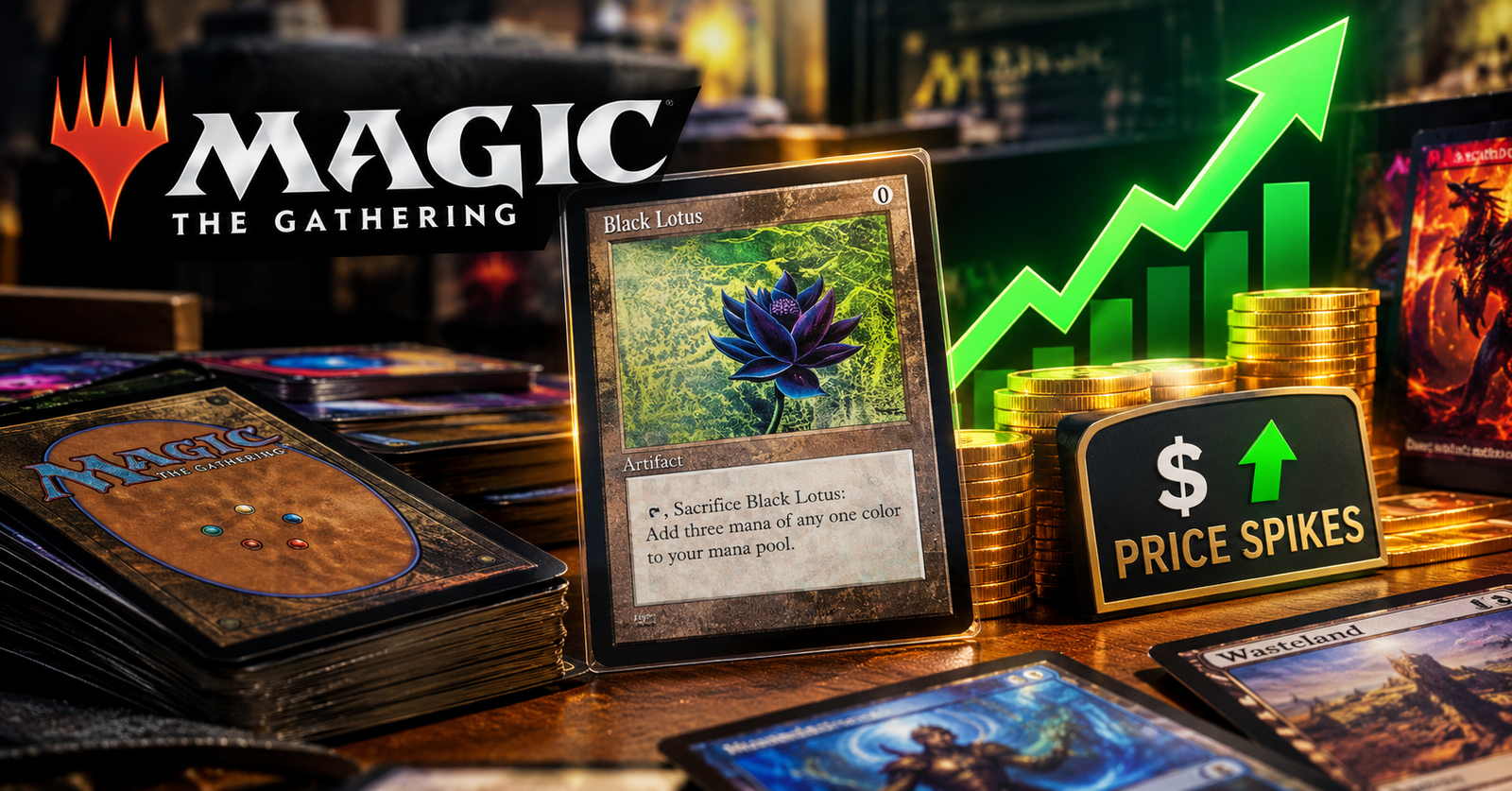
Magic The Gathering price spikes can happen very quickly. A card may stay cheap for years and then become much more expensive in a short time. This change can surprise both new players and experienced collectors.
Several factors can cause these price changes. A new set may create a strong card combination. A tournament deck may make an old card popular. Commander players may also create fresh demand for cards that were once easy to find.
Understanding magic the gathering price spikes can help players make better decisions. It also explains why some cards keep their value while others fall after a short rise.




What Causes Magic The Gathering Price Spikes?
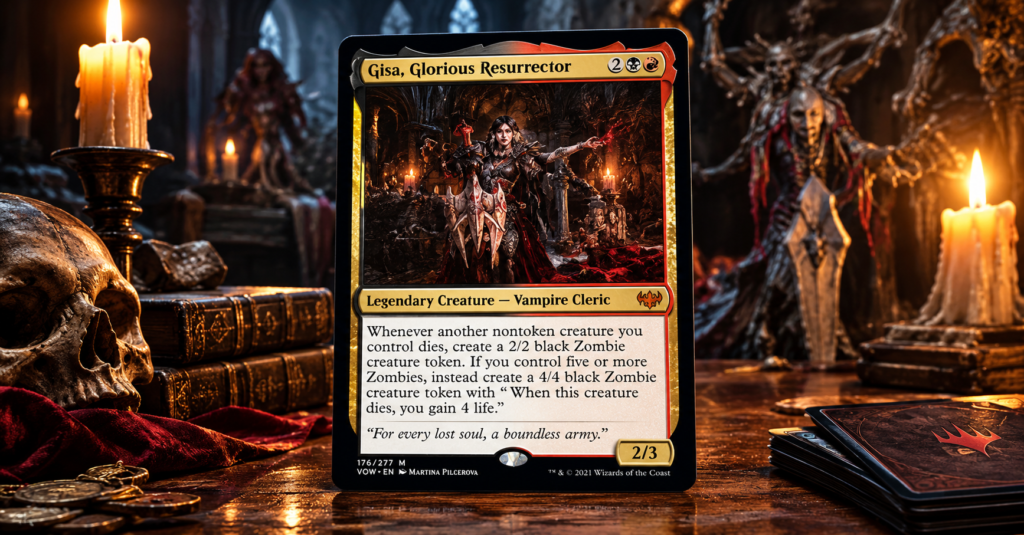
The main cause is simple. Demand for a card becomes higher than its available supply. When many players want the same card, sellers may raise the price.
New cards can create this situation very quickly. An older card may suddenly work well with a new mechanic or strategy. Players then start searching for copies at the same time.
Supply is just as important. A card with thousands of available copies can often handle higher demand. A rare older card may not have enough copies on the market. This can lead to a much sharper price increase.
New Sets Can Make Old Cards More Valuable
Every new Magic The Gathering set can change the value of older cards. New cards often create fresh combinations with cards from previous sets.
Sometimes, players discover these combinations soon after a new set arrives. The older card then becomes more useful. As more players build the new strategy, demand can rise.
This is one reason MTG prices can change so fast. The card itself may not have changed. Instead, the way players use it has changed.
Competitive Play Can Drive Prices
Competitive Magic can have a strong effect on card prices. A card may become more popular after appearing in a successful tournament deck.
Players often study winning decks and test similar strategies. If a particular card is important to that strategy, demand can rise quickly.
Major events can have an even bigger effect. A strong performance can bring attention to a deck that few players noticed before. This new attention may lead to more people buying the same cards.
However, competitive demand does not always last. A new strategy can replace an older one. When that happens, demand may fall and the price can follow.
Commander Has a Big Impact on MTG Prices
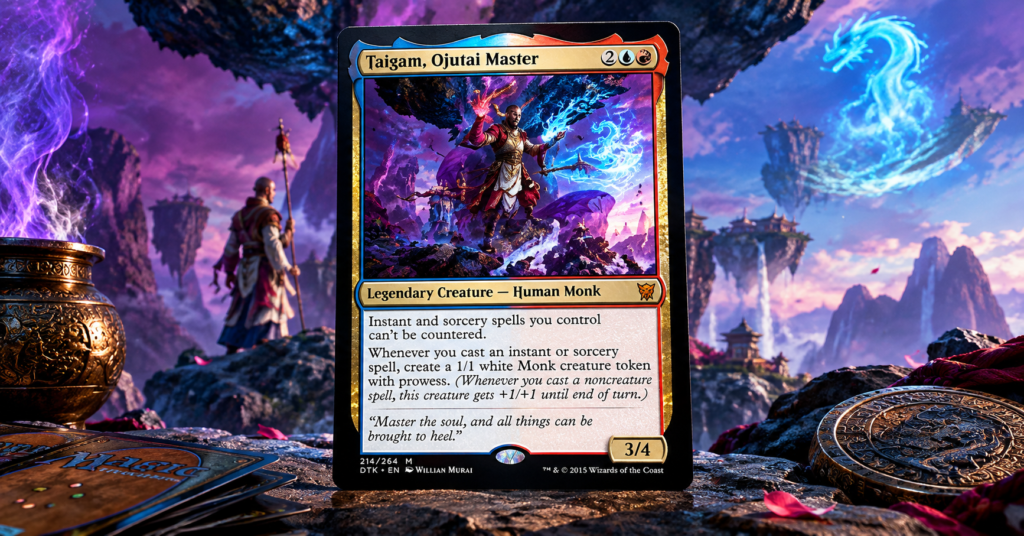
Commander is another major reason behind many MTG price movements. The format has a huge card pool, so players often search for unusual cards that fit a specific strategy.
A new commander can create demand for older cards. Players may discover that an inexpensive card works perfectly with the new deck.
The result can be a sudden increase in price. This can happen even if the card has little use in competitive formats.
Commander demand can also last longer than a short tournament trend. Players continue to build new decks and experiment with different themes. As a result, some cards can remain popular for a long time.
Reprints Can Change Card Prices
Reprints are important when looking at magic the gathering price spikes. A reprint adds more copies of a card to the market.
More supply can reduce price pressure. If many new copies become available, sellers may need to lower their prices to attract buyers.
Still, a reprint does not always destroy a card’s value. Popular cards can remain expensive because demand stays high.
The type of reprint also matters. A limited release may have less impact than a widely available printing. Players should therefore look at both demand and supply before judging the effect of a reprint.
Rarity Is Only One Part of the Price
Rarity can affect an MTG card’s price, but it does not tell the whole story. A rare card can remain cheap when few players want it.
On the other hand, an older card can become valuable when many people need it. Limited supply makes the situation even stronger.
Age can also matter. Older cards may have fewer copies in circulation. Some collectors also value them for their history, artwork, or original printing.
That is why card prices cannot be judged by rarity alone. Demand, supply, playability, age, and collector interest all matter.
Why Do Some Price Spikes Disappear?
Not every price spike lasts. Some increases happen because buyers rush to get a card after a new discovery.
Interest may later fall. Players may find a better card, move to another deck, or stop using the strategy. Prices can then return closer to their earlier level.
A reprint can also bring prices down. More copies give buyers more choices, which can reduce pressure on sellers.
For this reason, a sudden price increase does not always mean a card will stay expensive. The reason behind the spike matters more than the size of the increase.
How Speculation Affects MTG Prices
Speculation can also create magic the gathering price spikes. Some buyers purchase cards because they expect demand to increase later.
This often happens when a new set is announced. Players may believe that an older card will become useful with the new cards. They may buy copies before the expected demand arrives.
If the prediction is correct, the price can rise further. If the expected demand never appears, prices may fall.
Speculation therefore adds another layer to the MTG market. A price increase may reflect real player demand, future expectations, or both.
How to Understand an MTG Price Spike
Looking only at the current price is not enough. Players should also consider why the card became more expensive.
A tournament result can create short-term demand. A popular Commander strategy may create stronger long-term interest. A new set can also change the usefulness of an older card.
Supply should be considered as well. A card with very few copies available can move sharply even when the number of new buyers is not huge.
The card’s history can provide useful clues too. Previous price movements may show whether similar spikes have lasted or quickly disappeared.
Are MTG Price Spikes Good for Players?
Price spikes can have different effects. Collectors who already own a card may welcome an increase in its value.
Players who need that same card may feel differently. A sudden increase can make it harder to complete a deck within a fixed budget.
The good news is that MTG prices constantly change. Some expensive cards become cheaper later. New reprints can also give players another chance to buy important cards at a lower price.
The key is to understand the reason for the price change instead of assuming that every increase will continue.
What Should New MTG Players Know?
New players should not assume that an expensive card is automatically better. Price reflects demand and supply. It does not always reflect raw power.
A player may also find cheaper alternatives for a particular strategy. Choosing cards based on the deck’s needs can be more useful than chasing every card that experiences a price spike.
Learning the basics of the MTG market can make card buying less confusing. It can also help players understand why prices move after new sets, tournaments, and format changes.
Conclusion
Magic The Gathering price spikes are usually caused by changes in demand, supply, card interactions, competitive play, Commander strategies, reprints, and speculation. A card can become valuable when players suddenly find a new reason to use it.
New sets are especially important because they can change the way older cards are played. Competitive results and Commander trends can also create strong demand.
However, not every price spike lasts. Demand can fall, new cards can replace old strategies, and reprints can increase supply. Looking at the reason behind a price change is therefore more useful than focusing on the price alone.
FAQs
What causes Magic The Gathering price spikes?
Magic The Gathering price spikes usually happen when demand rises faster than supply. New decks, tournament results, Commander strategies, new card combinations, and speculation can all increase demand.
Why do old MTG cards become expensive?
Old MTG cards can become expensive when players discover new uses for them. Limited supply can make the increase even stronger when many players want the same card.
Can a new MTG set increase the price of old cards?
Yes. New cards can create powerful combinations with older cards. When players discover these interactions, demand for the older cards can increase.
Do tournaments affect MTG card prices?
Yes. Successful tournament decks can make certain cards more popular. Players often copy winning strategies, which can increase demand and push prices higher.
Does Commander cause MTG price spikes?
Commander can create strong demand for specific cards. A new commander or deck strategy may make an older card much more useful, which can lead to a price increase.
Can an MTG price spike disappear?
Yes. Some price spikes are temporary. Prices may fall when player interest drops, a better strategy appears, or a card receives a major reprint.
Do reprints lower Magic card prices?
Reprints can lower prices by increasing supply. However, highly popular cards may remain expensive because many players still want them.
Are expensive MTG cards always powerful?
No. An expensive card may have high value because of limited supply, collector interest, or strong demand in a specific format. Price does not always equal power.
Does speculation cause MTG price spikes?
Speculation can contribute to price increases. Buyers may purchase cards because they expect future demand to grow. If that demand does not appear, the price can later decline.
How can I understand an MTG price spike?
Look at recent deck trends, tournament results, Commander demand, new card interactions, supply, reprints, and the card’s price history. These factors can help explain why the price changed.
For more updates visit: GAME TYPES