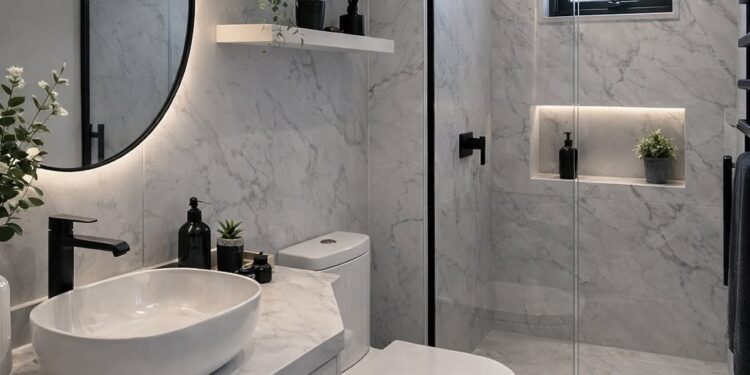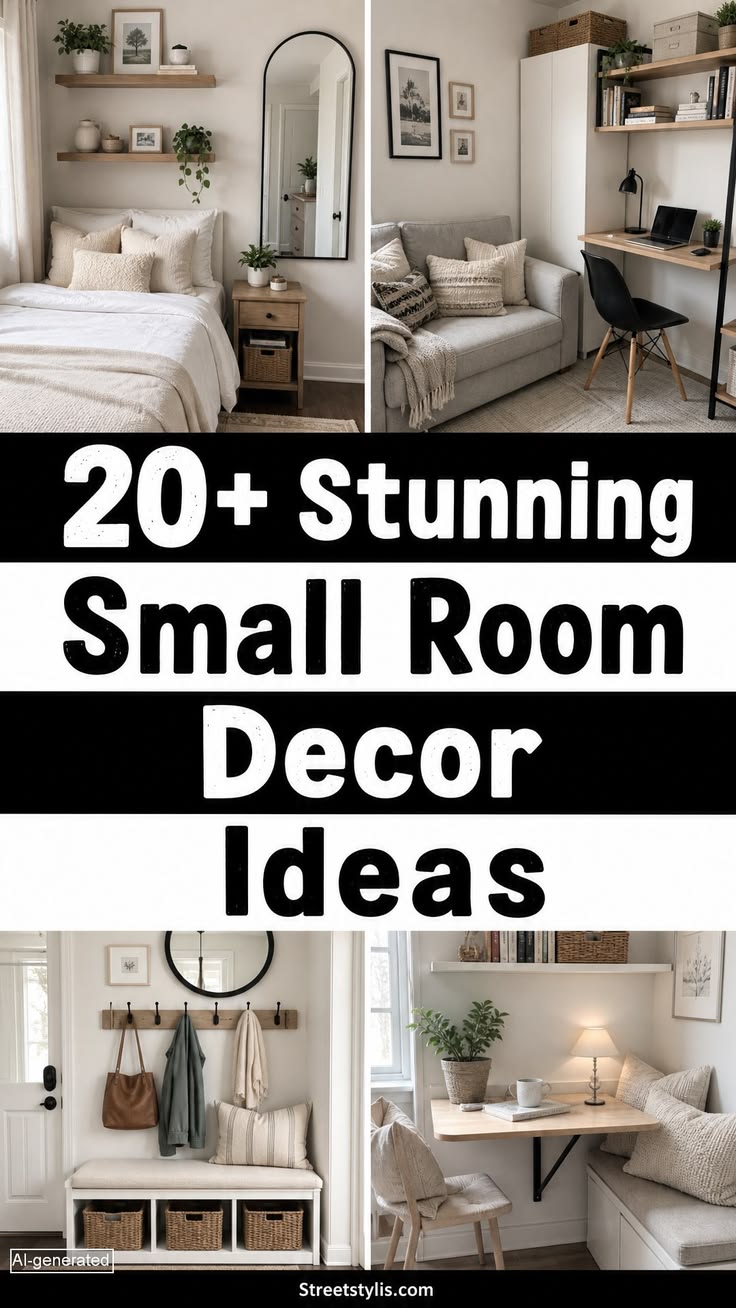
Decorating a small room can feel challenging, especially when you want your space to look stylish, comfortable, and organized without making it overcrowded. Fortunately, the right small room decorating ideas can transform even the tiniest bedroom, living room, or apartment into a beautiful and functional space.
From choosing light wall colors and multifunctional furniture to adding mirrors, floating shelves, and clever lighting, there are countless ways to maximize limited square footage. The secret is not necessarily having fewer belongings but making better use of the available space while maintaining a balanced design.
Whether you prefer minimalist interiors, cozy aesthetics, modern furniture, or budget-friendly DIY projects, thoughtful decorating choices can make a noticeable difference. This guide explores 25 practical small room decorating ideas, including space-saving layouts, smart storage solutions, color combinations, and creative design tips to help your room feel more open and inviting.
Why Small Room Decorating Matters
A well-decorated small room can improve everyday comfort, organization, and visual appeal.
Limited space often requires furniture and decorative elements to serve multiple purposes. Choosing the right layout can create clearer walking paths, improve storage accessibility, and reduce unnecessary clutter.
Good small room design also influences how spacious a room feels. Natural light, color coordination, furniture proportions, and visual continuity can make compact interiors appear more open.
The goal is to create a comfortable room that reflects your personality without compromising functionality.
25 Best Small Room Decorating Ideas
1. Choose Light and Neutral Wall Colors
Light-colored walls can make a compact room feel brighter by reflecting more available light.
White, warm beige, pale gray, cream, and soft pastel shades are popular options for smaller interiors.
Best colors for small rooms:
- Warm white for a clean and spacious appearance
- Soft beige for a cozy and welcoming atmosphere
- Light gray for modern minimalist interiors
- Pale blue for a calm and airy feeling
- Sage green for a natural and relaxing look
Using similar tones on walls, ceilings, and larger furniture pieces can reduce harsh visual contrasts.
However, dark colors can also work beautifully in small rooms when paired with effective lighting and a cohesive design.
2. Add Large Mirrors to Reflect Light
Mirrors are one of the simplest decorating tools for making a small room feel visually larger.
A large wall mirror reflects surrounding light and adds a sense of depth.
Ideas for mirror placement:
- Position a mirror near a window to reflect daylight.
- Use a full-length mirror against an empty wall.
- Install a round mirror above a small console.
- Choose mirrored wardrobe doors where practical.
Avoid placing mirrors where they create distracting reflections or glare.
3. Use Multifunctional Furniture
Furniture that serves multiple purposes can reduce the number of separate items required in a small room.
A storage ottoman can provide seating and hidden storage, while a sofa bed can accommodate guests without requiring a dedicated bedroom.
Popular multifunctional furniture includes storage beds, nesting tables, foldable desks, and benches with compartments.
Before buying furniture, measure the room carefully and confirm that doors, drawers, and folding mechanisms have enough clearance.
4. Install Floating Shelves
Floating shelves provide display and storage opportunities without occupying valuable floor space.
They work particularly well above desks, beside beds, and on otherwise unused wall areas.
Use them to display books, small plants, framed photographs, or decorative objects.
For a more organized appearance, avoid overcrowding each shelf. Leaving some open space around objects helps the arrangement feel intentional.
Always install shelves using suitable fixings for the wall type and expected load.
5. Select Furniture With Slim Profiles
Bulky furniture can make a small room appear crowded, even when only a few pieces are present.
Instead, consider furniture with streamlined silhouettes, narrow arms, and appropriately sized frames.
A compact sofa with exposed legs can create a lighter appearance than a deep, oversized sectional.
Similarly, a small desk with a simple metal or wooden frame may feel less imposing than a heavy office workstation.
Focus on proportions rather than assuming all furniture must be tiny.
6. Maximize Vertical Storage Space
When floor space is limited, walls offer valuable opportunities for additional storage.
Tall bookshelves, wall-mounted cabinets, and vertical organizers help use the room’s height.
Consider storing less frequently used items on higher shelves while keeping everyday essentials within easy reach.
Secure tall furniture to the wall where appropriate to reduce tipping risks.
Vertical storage can be especially helpful in small bedrooms, dorm rooms, and studio apartments.
7. Use Curtains to Create the Illusion of Height
Curtain placement influences how tall and spacious a room appears.
Mounting curtain rods above the window frame can visually emphasize ceiling height.
Long curtains that reach close to the floor create a continuous vertical line.
Choose lightweight fabrics such as linen-look materials or sheer panels if you want to preserve natural light.
For privacy and light control, combine sheer curtains with suitable blinds or lined drapes.
8. Decorate With Minimalist Accessories
A minimalist approach can help smaller rooms feel calm and organized.
Instead of filling every available surface, choose a few decorative pieces that complement your overall design.
For example, a single artwork above the bed may create a stronger focal point than numerous unrelated decorations.
Consider limiting visible accessories to meaningful items, such as a ceramic vase, small plant, or favorite framed photograph.
Minimalism does not require eliminating personality. It simply encourages intentional choices.
9. Add Wall-Mounted Lighting
Wall-mounted lights can free up bedside tables, desks, and other surfaces.
Sconces are useful beside beds, near reading chairs, and above workstations.
Plug-in wall sconces offer an alternative where permanent electrical installation is inconvenient.
Choose fixtures that provide sufficient brightness for their intended purpose.
Layering wall lighting with overhead and ambient light can make the room feel more comfortable.
10. Choose a Bed With Built-In Storage
In small bedrooms, the bed often occupies the largest amount of floor space.
A storage bed can make that space more functional by providing drawers or lift-up compartments.
Use the storage for spare bedding, seasonal clothing, or items that are not needed daily.
If purchasing a bed with drawers, make sure there is sufficient clearance to open them.
An ottoman-style lift-up bed can be an alternative when side access is limited.
11. Use a Large Area Rug to Define the Space
A well-proportioned rug can visually connect furniture and help a small room feel cohesive.
In compact living rooms, consider placing the front legs of the sofa and chairs on the rug.
For bedrooms, a rug extending beyond the sides of the bed can create a comfortable, unified arrangement.
Extremely small rugs may make individual furniture pieces feel disconnected.
Choose a rug size that supports the layout while allowing doors and furniture to function safely.
12. Create a Stylish Accent Wall
An accent wall introduces visual interest without requiring extensive furniture or decoration.
Popular options include painted geometric shapes, subtle wallpaper, wooden slats, and textured finishes.
A wall behind the bed or sofa is often a suitable location.
In compact rooms, choose a design that complements surrounding colors rather than competing with every decorative element.
A deep green, navy, or warm terracotta accent wall can create depth when balanced with lighter furnishings.
13. Use Transparent and Glass Furniture
Transparent furniture allows more of the room to remain visible, which can make a layout feel less visually crowded.
A clear acrylic side table or glass coffee table can be useful in compact living spaces.
These pieces often complement modern and minimalist design styles.
However, glass furniture may require more cleaning and should be selected carefully in households with young children or where impact damage is a concern.
14. Create a Cozy Corner With Compact Seating
Even small rooms can accommodate a comfortable reading or relaxation area when the layout allows.
A narrow accent chair, compact floor cushion, or small upholstered bench can create a dedicated place to unwind.
Pair the seating with a wall-mounted reading light and a small shelf.
Position the arrangement away from doorways and frequently used walking paths.
The goal is to add functionality without making the space difficult to navigate.
15. Decorate With Indoor Plants
Indoor plants add color, texture, and a natural element to compact rooms.
Small potted plants can sit on shelves, windowsills, or narrow tables.
Trailing plants can also be displayed on elevated shelves or suitable hanging planters.
For lower-light rooms, consider plants such as snake plants, ZZ plants, or pothos, while still checking their light requirements.
Choose pet-safe species if animals have access to the plants.
16. Use Foldable and Wall-Mounted Desks
A traditional desk can occupy valuable space in a compact bedroom or apartment.
Wall-mounted desks and foldable workstations offer alternatives for people who need an occasional study or work area.
A fold-down desk can be closed when not in use, while a narrow wall-mounted surface can serve as a workstation or vanity.
Consider ergonomics, monitor placement, cable management, and available legroom before choosing a desk.
17. Keep the Floor as Clear as Possible
Visible floor space can make a room feel less crowded and easier to move through.
Use wall hooks, storage baskets, under-bed containers, and compact cabinets to organize belongings.
Avoid placing decorative furniture in narrow passageways simply to fill empty corners.
A clear floor also makes cleaning easier and improves everyday accessibility.
18. Use Smart Under-Bed Storage
The area beneath a bed is often overlooked.
Flat storage containers, wheeled drawers, or vacuum-sealed bags can help organize seasonal clothing, spare linens, and other occasional-use items.
Choose containers that fit the bed’s actual clearance.
Avoid blocking ventilation where the bed or mattress manufacturer requires airflow.
Labeled containers can make stored belongings easier to locate.
19. Add Statement Artwork Instead of Many Small Decorations
Large artwork can establish a clear focal point and simplify the visual appearance of a room.
A framed abstract print, landscape illustration, or textured canvas may provide enough decoration for an entire wall.
Choose artwork that fits the wall and relates to the room’s color palette.
If you prefer gallery walls, use consistent spacing or a coordinated collection to maintain visual balance.
20. Incorporate Hidden Storage Solutions
Hidden storage helps reduce visible clutter while keeping essential belongings accessible.
Popular options include storage ottomans, concealed drawers, lift-top coffee tables, and cabinets with doors.
Decorative baskets can also organize smaller items on open shelves.
Select storage based on what you actually need to keep rather than purchasing containers without a purpose.
21. Layer Different Types of Lighting
A single overhead light can leave smaller rooms feeling flat or uncomfortable.
Layered lighting combines general illumination, task lighting, and softer accent lighting.
For example, a bedroom may include a ceiling fixture, bedside reading light, and warm LED strip lighting behind a headboard.
A small living room might benefit from a floor lamp and a table lamp in addition to ceiling lights.
Use appropriate fixtures and avoid overloading electrical outlets.
22. Choose Sliding Doors Where Practical
Traditional hinged doors need space to swing open.
Sliding doors can reduce this clearance requirement in certain layouts.
Wardrobes with sliding doors are particularly useful when furniture placement is restricted.
Interior pocket doors may also be an option during renovation, although installation can involve significant construction work.
Check accessibility, ventilation, privacy, and building requirements before replacing existing doors.
23. Use a Consistent Color Palette
Too many unrelated colors can make a small room look visually busy.
A coordinated color palette helps furniture, walls, and accessories feel connected.
One practical approach is to choose a dominant background color, a secondary color, and one or two accent shades.
Popular small room color combinations:
| Color Combination | Interior Style |
|---|---|
| White, beige, and natural wood | Scandinavian |
| Cream, sage green, and tan | Cozy and organic |
| Gray, white, and black | Modern minimalist |
| Soft pink, ivory, and gold | Elegant and feminine |
| Navy, warm white, and walnut | Contemporary |
| Terracotta, sand, and olive | Earthy and warm |
The exact colors matter less than maintaining a cohesive visual relationship.
24. Use Furniture With Exposed Legs
Furniture raised slightly above the floor allows more of the floor to remain visible.
Sofas, bedside tables, and cabinets with slender legs can create a lighter appearance.
This approach works especially well with minimalist, mid-century modern, and Scandinavian furniture.
However, exposed legs are only one design option. Closed-base furniture may provide more storage or be easier to clean around in some rooms.
Choose the style that best fits your priorities.
25. Personalize the Room Without Overcrowding It
A small room should still reflect your interests and lifestyle.
Personal touches might include photographs, handmade decorations, meaningful souvenirs, favorite books, or carefully chosen textiles.
Instead of displaying everything at once, rotate accessories seasonally.
This keeps the room visually fresh without requiring constant purchases.
A successful design balances personal expression with comfortable movement and practical organization.
Small Bedroom Decorating Ideas
Small bedrooms benefit from carefully selected furniture, practical storage, and calming decorative elements.
A bed with drawers, narrow bedside tables, and wall-mounted lighting can help preserve usable floor space.
Position the bed where it allows easy movement around the room. If necessary, consider placing one side against a wall, provided the arrangement remains practical.
Choose bedding with coordinated colors and textures to create a polished appearance.
Interior designers also recommend combining appropriately scaled furniture with multifunctional pieces rather than automatically choosing the smallest items available.

Architectural Digest
Small Living Room Decorating Ideas
A compact living room should balance comfortable seating with convenient movement.
Choose a sofa that fits the room without blocking entrances or circulation paths.
A nesting coffee table or small storage ottoman can offer additional functionality.
Use an appropriately sized rug to connect the seating arrangement, and consider one strong focal point such as artwork or a textured feature wall.
Wall-mounted lighting, a limited color palette, and carefully arranged furniture can help maintain a cohesive appearance.
Small Room Decorating Ideas on a Budget
Decorating a compact space does not require expensive renovations or designer furniture.
Simple changes can improve its appearance while keeping costs manageable.
| Budget-Friendly Idea | Main Benefit |
|---|---|
| Rearrange existing furniture | Improves layout at no cost |
| Paint one wall | Creates a visual focal point |
| Add removable wallpaper | Introduces pattern without major renovation |
| Use secondhand furniture | Reduces furnishing expenses |
| Install inexpensive wall hooks | Adds practical storage |
| Update cushion covers | Refreshes colors and textures |
| Add an affordable mirror | Reflects light |
| Repurpose storage boxes | Organizes smaller belongings |
| Replace old curtains | Updates the window treatment |
| Introduce a small indoor plant | Adds natural color |
Before purchasing new decorations, evaluate which existing items could be reused, repaired, or rearranged.
Common Small Room Decorating Mistakes to Avoid
Even attractive decorating elements can make a compact space feel less functional if they are used incorrectly.
Buying Furniture Without Measuring
Furniture that looks compact in a showroom may overwhelm a small bedroom or apartment.
Measure available wall lengths, door openings, and walking space before buying.
Using Too Many Unrelated Decorations
An excessive number of decorative items can create visual clutter.
Choose meaningful pieces that support the overall design.
Ignoring Vertical Space
Leaving walls completely unused while filling the floor with storage furniture can reduce available walking space.
Consider practical shelving or taller storage units where appropriate.
Blocking Natural Light
Large furniture or heavy window treatments can prevent daylight from reaching the room.
Keep windows as unobstructed as possible.
Assuming Every Small Room Must Be White
White walls are not the only option for compact rooms.
Interior designers increasingly emphasize intentional use of darker colors, patterns, and larger statement pieces when these support the overall design.
Architectural Digest
Overfilling the Room With Small Furniture
Several tiny tables, chairs, and cabinets can sometimes feel more cluttered than a few well-proportioned pieces.
Prioritize furniture based on how the room is actually used.
Frequently Asked Questions
How Can I Make a Small Room Look Bigger?
Use coordinated colors, well-placed mirrors, appropriate furniture proportions, and layered lighting. Keeping walking paths clear and reducing visual clutter can also make the room feel more spacious.
What Colors Make a Small Room Look Bigger?
Warm white, cream, pale gray, soft beige, and other light shades can create an airy appearance. Dark or saturated colors can also make a compact room feel inviting and visually cohesive.
How Do You Decorate a Small Room With Little Money?
Start by rearranging furniture, removing unnecessary items, updating textiles, adding affordable wall decorations, and repurposing existing storage containers.
What Furniture Is Best for Small Rooms?
Multifunctional furniture such as storage beds, nesting tables, compact desks, and storage ottomans can be useful. The best choice depends on the available space and how the room is used.
How Can I Make My Small Bedroom Cozy?
Use soft bedding, warm lighting, coordinated curtains, textured cushions, and a comfortable rug. Personal decorations can add warmth without requiring additional large furniture.
Are Dark Colors Good for Small Rooms?
Yes. Deep green, charcoal, navy, and other rich colors can create an intimate atmosphere, especially when combined with suitable lighting and coordinated furnishings.
Should I Use a Large or Small Rug in a Small Room?
A larger rug often helps connect furniture and makes the layout feel more unified. Select a size that fits the room and does not obstruct doors or movement.
How Can I Decorate a Small Room Without Making It Cluttered?
Choose a consistent color palette, use hidden storage, limit unnecessary accessories, and ensure decorative items do not interfere with everyday activities.
What Is the Best Lighting for a Small Room?
A combination of overhead lighting, task lighting, and accent lighting usually works well. Wall-mounted fixtures can be particularly useful when table and floor space are limited.
How Can I Organize a Very Small Room?
Use vertical shelves, under-bed containers, drawer organizers, wall hooks, and storage furniture. Keep frequently used belongings easily accessible and periodically review items you no longer need.
Conclusion
The best small room decorating ideas combine practical storage, comfortable furniture, thoughtful lighting, and personal style. From installing floating shelves and choosing multifunctional furniture to using mirrors and coordinated colors, small changes can make a compact room feel more spacious and inviting.
You do not need a large budget or a complete renovation to create an attractive interior. With a carefully planned layout and a few intentional decorative choices, even the smallest room can become a stylish, organized, and comfortable place to live.